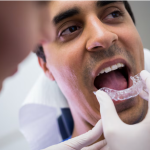
Composite bonding in Finchley N12 is a minimally invasive cosmetic dental procedure that uses tooth-coloured resin material to reshape, repair, and improve the appearance of teeth without the need for significant removal of natural tooth structure. It is one of the most accessible and versatile cosmetic dental treatments available today, capable of addressing a wide range of aesthetic concerns, including chipped teeth, gaps, discolouration, uneven edges, and minor misalignment. If you are looking to improve your smile quickly and comfortably, composite bonding offers an excellent solution that can often be completed in a single appointment.
For patients in and around Finchley N12, a highly trusted option is available nearby at the Dental Clinic in Totteridge, where composite bonding is carried out by experienced dental professionals who take the time to understand your smile goals and deliver results that look and feel completely natural.
What Is Composite Bonding
Composite bonding is the process of applying a tooth-coloured composite resin material directly onto the surface of a tooth, sculpting it into the desired shape, and hardening it using a special curing light. The result is a seamless improvement to the tooth that blends naturally with the surrounding teeth and restores both the appearance and function of the smile.
Unlike porcelain veneers, composite bonding typically requires little to no removal of natural tooth enamel, making it one of the most conservative cosmetic dental options available. The resin used is carefully colour-matched to your existing teeth so that the treated tooth looks entirely consistent with the rest of your smile. For patients exploring Dental Care in Totteridge, the team at Totteridge Dental Studio offers thorough consultations to assess whether composite bonding is the most suitable treatment for your specific concerns and smile goals.
Composite bonding can be used on a single tooth or across multiple teeth as part of a full smile makeover. It is suitable for both front and back teeth, though it is most commonly used on the front teeth where aesthetic improvement has the greatest visual impact. Patients considering composite bonding in Finchley N12 will find that the treatment is straightforward, comfortable, and delivers results that can genuinely transform the confidence with which they smile.
Signs That You May Benefit from Composite Bonding
Composite bonding is a flexible treatment that addresses a broad range of dental aesthetic concerns. You may be a suitable candidate if you are experiencing or noticing any of the following:
- A chipped or cracked tooth that affects the appearance of your smile
- Gaps between teeth, particularly between the front teeth
- Teeth that appear too short, worn down, or uneven along the biting edge
- Permanent staining or discolouration that does not respond to whitening treatment
- Slight misalignment or irregularly shaped teeth that you find cosmetically bothersome
- Exposed tooth roots caused by gum recession that are sensitive or visually concerning
- Small or undersized teeth that appear disproportionate to the rest of the smile
The presence of one or more of these concerns does not automatically mean composite bonding is the right solution for you. A professional assessment from a qualified Dentist in Totteridge will determine whether composite bonding is the most appropriate treatment or whether an alternative such as porcelain veneers, orthodontics, or teeth whitening would better serve your needs.
Step-by-Step: What to Expect During Composite Bonding Treatment
Understanding the full process from your initial consultation through to the completion of your treatment helps you feel informed, prepared, and confident about what to expect at each stage.
Step 1: Initial Consultation and Smile Assessment
Your composite bonding journey begins with a thorough consultation. Your dental team will examine your teeth, assess the condition of your enamel and gums, discuss your aesthetic concerns and smile goals, and review your medical and dental history. Digital photographs or impressions may be taken to support the treatment planning process. This is your opportunity to ask questions, understand your options, and ensure the proposed treatment plan aligns with what you want to achieve.
Totteridge Dental Studio is one of the best dental clinics in Totteridge, providing detailed and unhurried consultations for patients from Finchley N12 and across North London. The clinic is located at 59 Totteridge Ln, London N20 0HD, United Kingdom, and can be reached by calling +44 20 8445 5024 or by emailing info@totteridgedental.co.uk.
Step 2: Shade Selection
Once a treatment plan has been agreed upon, your dental team will select the most appropriate shade of composite resin to match your natural teeth. If teeth whitening is being combined with your composite bonding treatment, it is important to complete the whitening course first, as composite resin does not respond to whitening agents. The bonding material is then matched to the new, brighter shade of your whitened teeth.
Step 3: Tooth Preparation
In most cases, composite bonding requires minimal preparation of the tooth surface. A mild conditioning gel is applied to the tooth to create a slightly rough texture, which helps the composite resin bond securely to the enamel. In the majority of cases, no drilling is required, and no local anaesthetic is needed, which makes the treatment comfortable and straightforward for most patients.
Step 4: Application of the Composite Resin
The composite resin is applied to the tooth in thin, carefully placed layers. Your dental professional will sculpt and shape the material directly on the tooth, building up the desired contour, length, or surface texture with precision. This stage requires skill, artistry, and a thorough understanding of dental aesthetics to ensure the result looks natural and harmonious with the rest of the smile.
Step 5: Curing and Hardening
Once each layer of composite resin has been shaped to the correct form, it is hardened and set using a special blue curing light. This process takes only a few seconds per layer and bonds the material firmly to the tooth surface, giving it the strength needed to withstand normal biting and chewing forces.
Step 6: Finishing and Polishing
After all layers have been applied and cured, the bonded tooth is carefully trimmed, contoured, and polished to a smooth and natural-looking finish. Your dental team will check your bite to ensure the bonding does not interfere with your natural occlusion and will make any fine adjustments necessary to ensure a comfortable and balanced result.
Step 7: Review and Aftercare Guidance
Before you leave, your dental team will provide detailed aftercare instructions to help you protect your composite bonding and maintain the results for as long as possible. A follow-up appointment may be scheduled to review the outcome once you have had time to experience the bonding in your daily life.
Composite Bonding vs Other Cosmetic Dental Treatments
Patients considering composite bonding often want to understand how it compares to other cosmetic dental options available to them.
Composite Bonding vs Porcelain Veneers
Porcelain veneers are thin shells of ceramic material that are bonded to the front surface of the teeth to improve their appearance. They are highly durable and stain-resistant, and they produce exceptional aesthetic results. However, they typically require the removal of a small amount of enamel from the tooth surface, making the process irreversible. They also involve a laboratory fabrication stage, meaning the treatment is completed over two or more appointments rather than in a single visit.
Composite bonding, by contrast, is reversible in many cases, requires little to no enamel removal, and can be completed in a single appointment at a lower cost. It is an excellent first step for patients who want to improve their smile without committing to a more permanent solution, and it is particularly well suited to younger patients whose teeth and facial structure are still developing.
Composite Bonding vs Teeth Whitening
Teeth whitening addresses discolouration and staining by bleaching the natural enamel of the teeth. It is highly effective for patients whose teeth are the right shape and alignment but simply lack brightness. Composite bonding, on the other hand, addresses structural concerns as well as colour, making it the more suitable option when both shape and shade need to be improved. In many cases, the two treatments are used together for a comprehensive smile enhancement.
Composite Bonding vs Orthodontics
Orthodontic treatment, such as braces or clear aligners, corrects the position of the teeth by physically moving them over a period of months. Composite bonding can create the appearance of straighter teeth by reshaping and building up individual teeth without any tooth movement, making it a faster and less complex option for patients whose misalignment is mild and primarily cosmetic in nature.
How Long Does Composite Bonding Last
Composite bonding typically lasts between five and ten years with proper care and maintenance, though longevity varies depending on the number of teeth treated, the patient’s bite, and their lifestyle habits. Patients who grind their teeth, bite their nails, chew on hard objects, or consume large amounts of staining foods and drinks may find that their composite bonding requires earlier replacement or touch-up.
The good news is that composite bonding is relatively straightforward to repair or replace when needed. Individual teeth can be touched up or rebonded without affecting the surrounding teeth, making it a flexible and maintainable long-term cosmetic option.
Common Patient Mistakes to Avoid
Understanding the most common errors that patients make in relation to composite bonding helps you protect your results and avoid unnecessary damage to your treatment.
Biting directly into hard foods such as crusty bread, raw carrots, or hard sweets places significant stress on composite bonding and can cause chipping or fracturing of the material. Cutting harder foods into smaller pieces before eating is a simple habit that significantly extends the life of your bonding.
Using teeth as tools to open packaging, bite fingernails, or hold objects is a habit that places excessive and uneven force on bonded teeth and is one of the most common causes of premature bonding failure. Breaking this habit after treatment is an important part of protecting your investment.
Neglecting regular dental check-ups means that any minor wear, chips, or issues with the bonding go undetected and unaddressed until they become more significant problems. Attending routine dental appointments every six months allows your dental team to monitor the condition of your bonding and carry out any maintenance needed to keep it in good shape.
Consuming staining substances excessively including coffee, tea, red wine, and tobacco can cause composite resin to discolour over time, as the material is more porous than natural enamel or porcelain. Rinsing with water after consuming staining foods and drinks and maintaining a consistent brushing routine helps minimise discolouration.
Skipping teeth grinding assessment before treatment begins is a mistake that can lead to premature failure of the bonding. Patients who grind their teeth at night should discuss this with their dental team before proceeding, as a custom night guard may be recommended to protect the bonding during sleep.
Prevention and Maintenance Tips for Composite Bonding
Getting the best long-term results from your composite bonding depends on the quality of your daily oral care routine and the habits you maintain between dental appointments.
Brush your teeth twice daily using a soft-bristled toothbrush and a non-abrasive fluoride toothpaste. Abrasive toothpastes can dull the polished surface of composite resin over time, reducing the natural sheen of your bonding. Floss daily to remove plaque and food debris from between the teeth and along the gumline, keeping the margins of the bonding clean and healthy.
Attend dental check-ups and professional cleaning appointments at the recommended frequency. Professional polishing of composite bonding during a hygiene appointment helps maintain its surface finish and removes superficial staining that daily brushing alone cannot address.
If you are a known tooth grinder, wear your night guard consistently to protect your bonding from the excessive forces generated during grinding and clenching. Discuss any concerns about your bite or grinding habits with your dental team at every appointment so that any adjustments to your protection can be made promptly.
Consider limiting your consumption of heavily pigmented foods and drinks in the weeks immediately following your bonding treatment, as the composite material is most susceptible to surface staining in the early period after placement, before it has fully settled.
Frequently Asked Questions
- Is composite bonding painful?
Composite bonding is generally a very comfortable procedure that does not require local anaesthesia in most cases. Because little to no enamel is removed during the treatment, the tooth remains intact and sensitive nerves are not exposed. Some patients with pre-existing sensitivity may experience mild discomfort, but this is typically short-lived. Your dental team will ensure you are comfortable throughout the entire procedure.
- How many appointments does composite bonding take?
In most cases, composite bonding can be completed in a single appointment. The duration of the appointment depends on the number of teeth being treated and the complexity of the work required. A full smile makeover involving multiple teeth may take longer and could be spread across more than one visit. Your dental team will give you a clear indication of the expected appointment schedule during your consultation.
- Can composite bonding be removed or reversed?
Because composite bonding typically requires little to no removal of natural tooth enamel, the procedure is considered reversible in most cases. The composite material can be removed by your dental team if you decide to change or upgrade your treatment at a later date. This makes composite bonding a particularly attractive option for patients who want to improve their smile without making a permanent commitment to tooth preparation.
- Will composite bonding match my natural teeth?
Yes. One of the greatest advantages of composite bonding is the ability to precisely colour-match the resin material to your natural tooth shade. Your dental team will select from a wide range of composite shades to find the closest possible match to your existing teeth, ensuring that the bonded tooth blends seamlessly with the rest of your smile. If you are also planning to whiten your teeth, this should be done before the bonding shade is selected.
- Is composite bonding suitable for everyone?
Composite bonding is suitable for a wide range of patients but is not appropriate in every situation. Patients with severe tooth misalignment, significant decay, advanced gum disease, or very heavy grinding habits may not be ideal candidates for composite bonding until those underlying issues have been addressed. A full clinical assessment during your consultation will determine whether composite bonding is the right treatment for your individual dental health and aesthetic goals.
Conclusion
Composite bonding in Finchley N12 is a highly effective, minimally invasive, and versatile cosmetic dental treatment that can meaningfully transform the appearance of your smile in as little as a single appointment. With the right provider, careful aftercare, and consistent maintenance, the results can be long-lasting and genuinely life-changing in terms of the confidence they bring. Totteridge Dental Studio, located at 59 Totteridge Ln, London N20 0HD, United Kingdom, provides expert composite bonding treatments to patients across Finchley N12 and North London, combining artistic skill with clinical precision to deliver natural-looking smiles that patients are proud to share.