A dental checkup in Finchley N20 is a routine professional examination of your teeth, gums, and overall oral health, performed by a qualified dentist to detect and prevent dental problems before they escalate into serious conditions. If you live in or around the N20 postcode, attending regular dental checkups is one of the smartest and most cost-effective decisions you can make for your long-term health. Most dentists recommend a visit at least once every six months, though your individual needs may require a different schedule based on your dental history and current oral health.
Residents of Finchley N20 are fortunate to have access to a range of high-quality dental services in the surrounding North London area. If you are searching for a reliable Dental Clinic in Totteridge nearby, you will find that the practices in this area offer modern facilities, experienced dental teams, and a genuinely patient-centred approach to care. Starting with a thorough checkup is always the right first step, regardless of whether you are a new patient or returning after a gap in attendance.
What Is a Dental Checkup and Why Does It Matter
A dental checkup is a structured clinical examination that covers every aspect of your oral health. It is not simply about checking for cavities. A comprehensive checkup evaluates the condition of your teeth, the health of your gums, the alignment of your bite, the state of existing restorations such as fillings and crowns, and the soft tissues of your mouth including your tongue, cheeks, and palate.
The importance of regular checkups cannot be overstated. Many of the most serious dental conditions, including gum disease, oral cancer, and root infections, develop gradually and without noticeable symptoms in their early stages. By the time pain or visible changes appear, the condition has often progressed to a point where more complex and costly treatment is required. A routine checkup allows your dentist to identify these problems early, when they are easiest and least invasive to treat.
Beyond your oral health, dental checkups can also reveal signs of broader systemic health issues. Conditions such as diabetes, vitamin deficiencies, acid reflux, and even certain cardiovascular problems can present early indicators inside the mouth. Your dentist is trained to recognise these signs and refer you to the appropriate healthcare professional if necessary.
What Happens During a Dental Checkup: Step by Step
Knowing what to expect during your appointment helps reduce anxiety and allows you to prepare properly. Here is a clear breakdown of what a standard dental checkup in Finchley N20 involves.
Step 1: Medical and Dental History Review Your appointment begins with a review of your medical history. This includes any changes to medications, existing health conditions, allergies, or dental concerns you have noticed since your last visit. New patients will complete a more detailed intake form. This step ensures that your dentist has the full picture before beginning the examination.
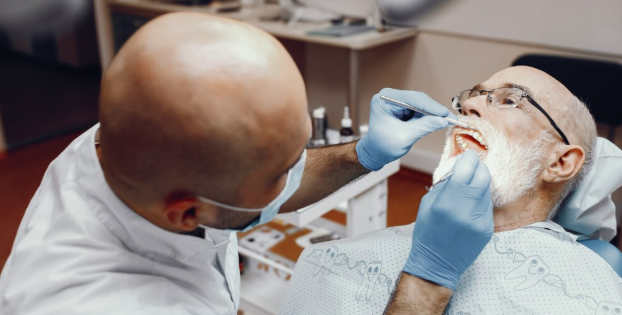
Step 2: Visual Examination of the Teeth Your dentist will systematically examine each tooth using a small mirror and explorer tool. They are looking for signs of decay, fractures, chips, excessive wear, or discolouration. Every surface of every tooth is assessed, including the areas between teeth that are difficult to see without professional equipment.
Step 3: Gum Health Assessment Gum health is a critical component of every checkup. Using a periodontal probe, your dentist measures the depth of the pockets between each tooth and the surrounding gum tissue. Healthy gum pockets measure between one and three millimetres. Deeper readings suggest the presence of gum disease and will prompt further investigation or treatment.
Step 4: Oral Cancer Screening Every comprehensive checkup includes a systematic screening for oral cancer. Your dentist will examine all the soft tissues of your mouth, looking for unusual sores, white or red patches, lumps, or thickened areas. This takes only a few minutes and is entirely painless, but it is one of the most valuable elements of a routine visit.
Step 5: Dental X-Rays When Required X-rays are recommended periodically to detect problems that are not visible to the naked eye. These include decay between teeth, bone loss, impacted teeth, and problems developing below the gum line. Digital X-rays used by modern practices deliver a significantly lower radiation dose than traditional film X-rays and produce clearer images for more accurate diagnosis.
Step 6: Professional Scale and Polish Most checkup appointments include a professional cleaning, carried out by a dentist or dental hygienist. Plaque and tartar that have accumulated on the surfaces of the teeth and along the gum line are removed using specialist tools. The teeth are then polished to remove surface staining and leave your mouth feeling thoroughly clean. This is particularly important because tartar cannot be removed by brushing and flossing alone, no matter how thorough your routine at home.
Step 7: Personalised Recommendations and Treatment Planning Your dentist will explain the findings clearly at the end of the appointment, recommend any necessary treatments, and provide specific advice on how to improve your home care routine. If further appointments are required, these will be scheduled before you leave.
If you are looking for a practice that delivers all of these elements with care and consistency, exploring your options for Dental Care in Totteridge is a strong starting point for patients across the N20 area.
Signs That Indicate You Need a Dental Checkup
While routine checkups should be booked whether or not you have any symptoms, certain signs indicate that you should seek an appointment sooner rather than later.
- Toothache or persistent sensitivity to hot, cold, or sweet foods and drinks
- Bleeding gums when brushing or flossing, even if it seems mild
- Persistent bad breath that does not improve with regular brushing and mouthwash
- Swollen, red, or receding gum tissue
- Visible dark spots, holes, or unusual discolouration on the teeth
- A cracked, chipped, or broken tooth
- Loose or shifting teeth in adults
- Sores or unusual patches inside the mouth that do not heal within two weeks
- Jaw pain, clicking, or difficulty chewing comfortably
- A recently developed dry mouth or changes in the way your teeth fit together
These symptoms should never be dismissed as minor inconveniences. Each one can be an early warning sign of a condition that will worsen without professional assessment and treatment.
How Often Should You Have a Dental Checkup in Finchley N20
The standard guidance is to attend a dental checkup every six months, and this frequency suits the majority of adults and children who maintain good oral hygiene and have no significant dental history. However, your dentist may recommend a different schedule based on your individual circumstances.
Patients with a history of gum disease, frequent cavities, or ongoing restorative work may benefit from appointments every three to four months. This more frequent schedule allows the dental team to monitor changes closely and intervene quickly when needed.
At the other end of the scale, patients with a consistently excellent oral health record and very low risk factors may be advised that an annual checkup is sufficient. Your dentist will make this determination based on your full clinical picture and will review it at each visit.
Children should attend checkups at least twice a year from the time their first tooth appears. Early dental visits establish familiarity with the clinical environment, reduce the likelihood of dental anxiety in later life, and allow the dentist to guide the development of the teeth and jaw during the formative years.
Speaking with an experienced Dentist in Totteridge is the best way to establish a personalised checkup schedule that reflects your specific oral health needs and risk profile.
Common Mistakes Patients Make Around Dental Checkups
Even well-motivated patients can undermine their dental health without realising it. Understanding these common mistakes helps you approach your checkups more effectively.
Attending only when in pain: Pain is a late-stage indicator in most dental conditions. Waiting until discomfort appears means that preventable problems have already progressed significantly. The entire purpose of a routine checkup is to find and treat issues before this stage is reached.
Not disclosing relevant medical information: Medications such as anticoagulants, antidepressants, and blood pressure treatments all affect oral health and the safety of certain dental procedures. Always inform your dentist of any changes to your health or medication, even if they seem unrelated to your teeth.
Skipping the hygienist visit: Some patients attend checkups but decline the cleaning component, viewing it as optional. Professional scaling removes calculus build-up that no amount of home brushing can address, and it is an essential part of preventing gum disease.
Ignoring children’s dental needs: Many parents assume that children do not need professional dental care until their permanent teeth arrive. In fact, the health of primary teeth has a direct impact on the development of the permanent teeth and the jaw.
Cancelling appointments without rescheduling: Life gets busy, and it is easy to cancel a dental appointment and then forget to rebook. If you need to cancel, always schedule your next appointment immediately.
Choosing the Right Dental Practice Near Finchley N20
The quality of your dental checkup depends heavily on the practice you choose. Modern diagnostic equipment, a skilled and communicative dental team, and a genuinely patient-friendly environment all contribute to a more accurate and comfortable experience.
When evaluating a practice, consider whether it offers a full range of services, how it handles new patients, and whether the team takes time to explain findings and options clearly. A good dental practice does not simply treat problems as they arise. It partners with you over the long term to help you maintain the best possible oral health.
Totteridge Dental Studio, located at 59 Totteridge Ln, London N20 0HD, United Kingdom, is widely regarded as one of the best dental clinics in Totteridge and is conveniently accessible for patients across the N20 area. The practice combines advanced technology with a warm, reassuring approach to patient care, making it an excellent choice for individuals and families alike. You can contact the team directly by telephone on +44 20 8445 5024 or by email at info@totteridgedental.co.uk to book your first appointment or to ask any questions about the services available.
Prevention and Maintenance Between Checkups
A dental checkup sets the standard for your oral health, but the habits you maintain at home between appointments are equally important. The following guidance will help you protect your teeth and gums day to day.
Brush correctly and consistently: Use a soft-bristled toothbrush and fluoride toothpaste, brushing for a full two minutes twice a day. Pay careful attention to the gum line and the inner surfaces of the teeth, which are easy to miss.
Floss or use interdental brushes daily: Brushing alone cleans only about 60 percent of the tooth’s surfaces. Flossing or using interdental brushes removes plaque from between the teeth, where decay and gum disease most commonly begin.
Use a fluoride mouthwash: An antibacterial or fluoride mouthwash used once a day adds an extra layer of protection against bacteria and strengthens the enamel.
Limit sugar and acidic foods: Sugars feed the bacteria that produce the acids responsible for tooth decay. Reducing your intake of sugary snacks, fizzy drinks, and acidic foods protects the enamel and lowers your overall cavity risk.
Stay well hydrated: Saliva is one of the mouth’s primary natural defences against decay. Drinking enough water throughout the day keeps the mouth moist and helps wash away food particles and bacteria.
Protect your teeth during sport: A custom-fitted mouthguard provides significantly better protection than an over-the-counter alternative and should be worn during any contact sport or activity that carries a risk of facial impact.
Address grinding early: Bruxism, or teeth grinding, is a common condition that causes accelerated wear of the enamel and can lead to jaw pain, headaches, and fractures. If you suspect you grind your teeth at night, speak to your dentist about a custom night guard.
Dental emergencies can occur even when you follow every preventive measure carefully. If you experience sudden tooth pain, a knocked-out tooth, or a broken restoration, contacting an Emergency Dental Clinic in Totteridge promptly can make the difference between saving and losing a tooth. Having access to emergency dental care as part of your broader dental plan is an important safety net that every patient in the N20 area should be aware of.
Frequently Asked Questions
1. How long does a dental checkup in Finchley N20 typically take? A standard dental checkup appointment usually lasts between 30 and 60 minutes. The duration depends on whether X-rays are needed, the complexity of the findings, and whether a professional clean is included in the same session. First-time patients should allow a little extra time for the initial health history review and registration process.
2. Is a dental checkup painful? For the vast majority of patients, a routine dental checkup involves no pain at all. The visual examination, gum measurements, and oral cancer screening are generally entirely comfortable. Patients with inflamed gums or areas of heightened sensitivity may experience mild tenderness during the cleaning stage, but the dental team will always work at a pace that keeps you as comfortable as possible throughout.
3. What happens if my dentist finds a problem during the checkup? If a problem is identified during your checkup, your dentist will explain the finding clearly, discuss the available treatment options, and recommend the most appropriate course of action. For minor issues such as a small cavity, treatment may be possible in the same appointment. For more complex concerns, a follow-up appointment will be scheduled. You will always be informed and involved in decisions about your own care.
4. Can children have dental checkups at the same practice as adults? Yes, the majority of dental practices in and around the N20 area provide checkups and treatment for patients of all ages. It is recommended that children attend their first dental appointment by the age of one or when their first tooth appears, whichever comes first. Attending regularly from a young age helps children become comfortable with the dental environment and significantly reduces the likelihood of dental anxiety in later life.
5. Is there anything I should do to prepare for a dental checkup? There is no extensive preparation required. Brush and floss as normal before your appointment, but avoid brushing immediately beforehand as this can temporarily mask signs of gum bleeding that are diagnostically important. Bring a list of any current medications and be ready to update your medical history if anything has changed since your last visit. Arriving a few minutes early for your appointment is also helpful, particularly if you are a new patient completing registration paperwork.
Conclusion
A dental checkup in Finchley N20 is one of the simplest and most impactful things you can do to protect your long-term oral and overall health. Attending consistently, following your dentist’s personalised advice, and maintaining a solid daily routine at home are the three pillars of a healthy smile that lasts a lifetime. If you have been delaying a visit, booking your next appointment today is the most important step you can take right now.