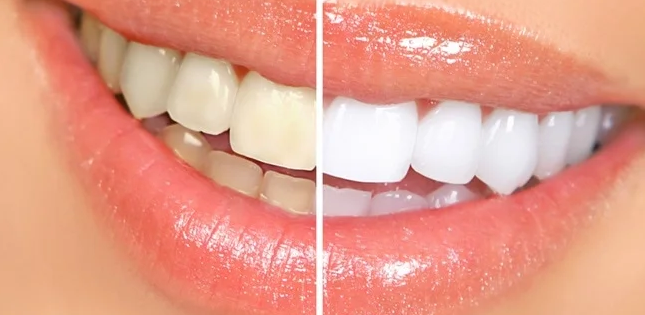
Teeth whitening is one of the most popular cosmetic dental treatments available today, and the good news is that it is safe, effective, and accessible for most adults. The two most common methods are home tray whitening and in-chair whitening, and choosing between them depends on your lifestyle, timeline, and the level of results you are looking for. If you are considering whitening your teeth, a professional consultation is always the best starting point.
At Totteridge Dental Studio, patients across North London receive professional-grade whitening solutions tailored to their individual needs. Whether you prefer the convenience of whitening at home or the speed of a clinical session, the right treatment is the one that fits your life.
For those exploring broader smile improvements, teeth whitening is often just the beginning. Many patients combine whitening with other treatments to achieve a complete smile transformation.
Before choosing a method, it helps to understand how each option works and what results you can realistically expect. Both approaches use peroxide-based whitening agents, but they differ in concentration, application time, and clinical oversight.
If you also have restorations such as fillings or crowns, it is worth speaking with your dentist first, as whitening agents do not change the colour of artificial dental materials. You can learn more about related treatments through general dentistry or dental crowns pages.
What Is Home Tray Whitening?
Home tray whitening is a dentist-supervised treatment that you carry out in your own time, typically over two to four weeks. Your dentist takes impressions of your teeth and creates custom-fitted whitening trays made specifically for your mouth. You are then given a professional-strength whitening gel to apply to the trays and wear for a set number of hours each day or overnight, depending on the product.
Because the trays are custom-made, they fit precisely over your teeth, minimising contact with the gums and reducing the risk of sensitivity or irritation. This is one of the key differences between dentist-prescribed home kits and over-the-counter whitening products, which use generic trays and lower-concentration gels.
Key features of home tray whitening:
- Custom-fitted trays for accurate gel placement
- Lower peroxide concentration used over a longer period
- Results typically visible within one to two weeks
- Trays can be reused for top-up treatments in the future
- Completed in the comfort of your own home
- Requires consistent daily use for best results
Home whitening is a good choice for patients who want gradual, natural-looking results and prefer flexibility in their schedule. It is also a cost-effective option for maintaining brightness long-term, as you keep the trays and only need to purchase top-up gel.
What Is In-Chair Whitening?
In-chair whitening, also called chairside or power whitening, is a clinical procedure performed entirely at the dental practice in a single session. A higher-concentration whitening gel is applied directly to the teeth, and in some systems, a special light or laser is used to activate the gel and accelerate the whitening process.
The entire appointment usually takes between 60 and 90 minutes, and patients often see results of several shades lighter in just one visit. Because the treatment is carried out under clinical supervision, stronger whitening agents can be used safely and effectively.
Key features of in-chair whitening:
- Immediate, visible results in a single appointment
- Higher-concentration professional-grade gel
- Applied and monitored by a trained dental professional
- Gum protection barrier applied before treatment begins
- Ideal for patients with upcoming events or time constraints
- May require a top-up at home for longer-lasting results
In-chair whitening is particularly well-suited to patients who want fast, dramatic results and prefer to have the process managed entirely by a professional. It is also a strong option if you have a wedding, interview, or special occasion approaching.
Home Trays vs In-Chair: A Side-by-Side Comparison
| Feature | Home Tray Whitening | In-Chair Whitening |
|---|---|---|
| Treatment location | At home | At the dental practice |
| Duration of treatment | 2 to 4 weeks | 60 to 90 minutes |
| Speed of results | Gradual | Immediate |
| Peroxide concentration | Lower | Higher |
| Clinical supervision | Initial fitting only | Full session supervision |
| Suitability for sensitivity | Generally well-tolerated | May require pre-treatment care |
| Long-term maintenance | Easy with reusable trays | Top-up gel or trays recommended |
Neither method is universally superior. The best choice depends on your personal goals, tooth sensitivity levels, and how quickly you need results. Many dental practices recommend a combined approach, using in-chair whitening for an initial boost followed by home trays for maintenance.
Is Teeth Whitening Safe?
When carried out by a GDC-registered dental professional, teeth whitening is considered very safe. In the United Kingdom, it is a legal requirement that tooth whitening is only performed by or under the supervision of a regulated dental professional. Over-the-counter whitening products sold in supermarkets or beauty salons that are not dentist-prescribed do not fall under this protection.
Common temporary side effects include:
- Mild tooth sensitivity during or shortly after treatment
- Slight gum irritation if the gel contacts soft tissue
- Temporary increase in sensitivity to hot or cold
These effects typically resolve within 24 to 48 hours. If you experience prolonged sensitivity, contact your dental practice for advice.
It is important to note that whitening is not suitable for everyone. Pregnant or breastfeeding patients are advised to wait. Patients with significant tooth decay, gum disease, or worn enamel should have these conditions treated before undergoing whitening. This is another reason why a professional assessment is essential before starting any whitening programme.
Common Myths About Teeth Whitening
Myth: Whitening damages your enamel. When used correctly and under professional supervision, whitening gels do not damage enamel. Overuse of high-concentration products without guidance is where problems can arise.
Myth: Whitening works on crowns, veneers, and fillings. Whitening agents only work on natural tooth enamel. Existing restorations will remain their current shade, which is why timing your whitening before new restorations is recommended.
Myth: Whiter teeth mean stronger teeth. Shade and strength are unrelated. Whitening affects appearance only and does not improve the structural health of your teeth.
Myth: Results are permanent. No whitening treatment is permanent. Lifestyle habits such as drinking coffee, tea, red wine, or smoking will gradually restain teeth over time. Regular hygienist appointments help maintain brightness.
How to Maintain Your Results
Whichever method you choose, maintaining your results requires some everyday care:
- Reduce or avoid staining foods and drinks, particularly in the 48 hours after treatment
- Use a whitening toothpaste recommended by your dentist for daily maintenance
- Attend regular dental hygienist appointments to remove surface staining
- Use your home trays with top-up gel every few months as advised
- Stay hydrated and rinse your mouth after consuming staining beverages
Professional Teeth Whitening in North London
Totteridge Dental Studio, located at 59 Totteridge Lane, London N20 0HD, is a multi-award-winning dental practice in North London recognised as Highly Commended Dentist of the Year 2021. The practice brings over 35 years of joint clinical experience to every patient appointment.
The team offers professional teeth whitening as part of a wider cosmetic dentistry service, welcoming new patients for general, cosmetic, and orthodontic treatments. Patients can reach the practice directly by phone at +44 20 4634 4042, by email at info@totteridgedental.co.uk, or via WhatsApp, including weekends. The practice is open Monday to Friday from 8:30 AM to 5:00 PM, with Saturday appointments available by prior arrangement.
Frequently Asked Questions
1. How long does teeth whitening last? Results typically last between six months and two years, depending on your diet, lifestyle, and oral hygiene routine. Regular top-ups and hygienist visits help extend brightness.
2. Will teeth whitening work on sensitive teeth? Many patients with mild sensitivity undergo whitening successfully. Your dentist may recommend a desensitising gel or a lower-concentration treatment to minimise discomfort.
3. Can I whiten my teeth if I have fillings or crowns? Whitening agents do not affect artificial restorations. If you have visible fillings or crowns in your smile zone, your dentist will discuss the best approach to achieve a consistent shade.
4. How many shades whiter can I expect my teeth to become? Results vary based on your natural tooth shade and the method used. Most patients see a noticeable improvement of several shades. Your dentist will give you a realistic expectation at your consultation.
5. Is it legal to get teeth whitening at a beauty salon in the UK? No. In the UK, teeth whitening can only be legally and safely carried out by a GDC-registered dental professional or under their direct supervision. Beauty salons are not permitted to offer this service.
Conclusion
Teeth whitening, whether at home or in-chair, is a safe and effective way to improve your smile when carried out by a qualified dental professional. Understanding the differences between both methods helps you make an informed choice suited to your needs and timeline. A professional consultation is the best first step toward a brighter, more confident smile.