The best orthodontics in Finchley N3 London refers to the highest quality teeth straightening and bite correction treatments available in the local area, delivered by experienced dental professionals using modern techniques and clinically proven systems. Whether you are an adult who has wanted straighter teeth for years or a parent exploring options for your child, orthodontic treatment today is more accessible, more comfortable, and more discreet than at any point in the history of dentistry. For residents in and around Finchley looking for trusted orthodontic care, choosing a reputable Dental Clinic in Finchley N3 with a strong track record in orthodontics is the most important first step toward the smile you have been working toward.
Orthodontic treatment addresses far more than aesthetics. Misaligned teeth and incorrect bites contribute to a range of functional problems including difficulty chewing, uneven wear on tooth surfaces, jaw pain, speech difficulties, and challenges maintaining proper oral hygiene in crowded or overlapping areas. Addressing these concerns through orthodontic treatment improves both the appearance and the health of your smile in ways that have lasting benefits throughout your lifetime. Patients seeking comprehensive Dental Care in Finchley N3 that includes a full range of orthodontic options will find that the right dental team can guide them confidently through every stage of the process from initial consultation to final retention.
What Is Orthodontics and Why Does It Matter
Orthodontics is the branch of dentistry concerned with the diagnosis, prevention, and correction of misaligned teeth and jaws. An orthodontic concern, whether it involves crowded teeth, gaps, an overbite, underbite, crossbite, or open bite, arises when the teeth or jaws do not sit in their ideal positions relative to one another. These misalignments can be inherited, caused by childhood habits such as prolonged thumb sucking or dummy use, or develop as a result of early tooth loss, injury, or other dental conditions.
The goal of orthodontic treatment is to move the teeth and in some cases the jaw into positions that improve both function and appearance. This is achieved through the application of controlled, gentle forces over an extended period using a variety of appliances including fixed braces, clear aligners, and in more complex cases, functional appliances or surgical intervention.
A skilled Dentist in Finchley N3 who offers orthodontic treatment will begin with a thorough assessment of your teeth, gums, and bite before recommending the most appropriate treatment pathway. The right recommendation depends on the nature and severity of your orthodontic concern, your age, your lifestyle, and your personal preferences regarding treatment visibility, duration, and involvement.
Totteridge Dental Studio is one of the best dental clinics in Totteridge, providing a comprehensive range of orthodontic treatments to patients across Finchley N3 and the wider North London area. The studio is located at 59 Totteridge Ln, London N20 0HD, United Kingdom, and the team is available at info@totteridgedental.co.uk or by phone at +44 20 8445 5024 to answer your questions and arrange your consultation.
Signs That You or Your Child May Need Orthodontic Treatment
Recognizing the signs that indicate a need for orthodontic assessment is the first step toward getting the right care at the right time. Many orthodontic concerns are easier and more straightforward to treat when identified early, which is why regular dental check-ups for both children and adults are so important.
Signs that suggest orthodontic treatment may be beneficial include visibly crowded, overlapping, or rotated teeth that are difficult to clean properly with brushing and flossing. Noticeable gaps between one or more teeth that affect the appearance or function of the smile are also a clear indicator. Teeth that do not meet correctly when the mouth is closed, whether the upper teeth protrude significantly in front of the lower teeth, the lower teeth sit in front of the upper teeth, or the back teeth meet while the front teeth do not, all represent bite issues that orthodontic treatment can address.
Jaw pain, clicking or popping sounds in the jaw joint, headaches related to clenching, and uneven wear on the biting surfaces of the teeth are functional signs that the bite may not be aligned correctly. Difficulty biting or chewing certain foods, a noticeable shift in the position of the jaw when opening and closing, and speech difficulties that are related to tooth position are also reasons to seek an orthodontic assessment.
For children, additional signs include losing baby teeth much earlier or later than expected, thumb sucking or dummy use beyond the age of three, mouth breathing, and teeth that appear significantly out of position as the adult teeth emerge. Early orthodontic assessment for children is recommended from around the age of seven, as this is when enough adult teeth have emerged to allow a meaningful evaluation of how the bite is developing.
For patients who want to explore the full range of smile enhancement options available alongside orthodontic treatment, the Orthodontic Treatment in Finchley N3 London page at Totteridge Dental Studio provides detailed information on treatments designed to complement and complete your smile transformation.
Types of Orthodontic Treatment Available in Finchley N3
Modern orthodontics offers more choices than ever before, and the right treatment option depends on the nature of the orthodontic concern being addressed, the patient’s age, and individual preferences. Here is a clear overview of the most commonly available orthodontic treatments.
Fixed Metal Braces
Traditional fixed metal braces consist of metal brackets bonded to the front surfaces of the teeth, connected by a wire that is adjusted at regular intervals to apply progressive force and guide the teeth into their desired positions. Fixed braces are highly effective for a wide range of cases, including complex bite issues and significant crowding, and they remain one of the most reliable orthodontic systems available. Modern metal braces are smaller and more comfortable than earlier generations, though they are the most visible orthodontic option.
Ceramic Braces
Ceramic braces work in the same way as metal braces but use tooth-colored or clear ceramic brackets instead of metal ones, making them significantly less visible on the teeth. They are a popular choice among adult patients who need the clinical effectiveness of fixed braces but prefer a less obvious appearance. Ceramic brackets require slightly more careful maintenance than metal ones to prevent staining.
Clear Aligner Therapy
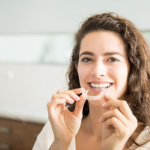
Clear aligner systems, of which Invisalign is the most widely recognized, use a series of custom-made removable clear plastic trays to move teeth gradually into their correct positions. Aligners are virtually invisible when worn, removable for eating and oral hygiene, and generally more comfortable than fixed appliances. They are well-suited for mild to moderate orthodontic concerns and are particularly popular among adults and teenagers who value discretion and lifestyle flexibility during treatment.
Lingual Braces
Lingual braces are fixed appliances fitted to the inner surfaces of the teeth rather than the outer surfaces, making them completely invisible from the front. They are one of the most discreet fixed orthodontic options available and can be used to treat a wide range of orthodontic concerns. Lingual braces require a period of adjustment for speech and comfort and are typically provided in practices with clinicians who have advanced training in this technique.
Functional Appliances
Functional appliances are removable or fixed devices used primarily in growing children and teenagers to guide the development of the jaws and correct significant discrepancies between the upper and lower jaw. They work by harnessing the natural growth of the jaw and redirecting it to improve the relationship between the upper and lower teeth and bones.
Retainers
Retainers are not a form of active orthodontic treatment but are an essential part of every orthodontic outcome. Once the active phase of treatment is complete and the teeth have reached their final positions, retainers hold the teeth in place while the surrounding bone and tissue stabilize. Without consistent retainer wear, teeth will gradually shift back toward their original positions regardless of how well the active treatment went.
Step-by-Step: The Orthodontic Treatment Journey
Understanding the complete pathway from initial enquiry to final retention helps patients feel fully prepared for what orthodontic treatment involves.
Step 1: Initial Consultation Your journey begins with a consultation during which your dental team will examine your teeth, gums, and bite, review your dental history, and discuss your concerns and goals. Clinical photographs, dental X-rays, and digital scans or impressions may be taken to allow a thorough assessment of your orthodontic situation.
Step 2: Treatment Planning Based on the clinical findings, your dental team will develop a detailed treatment plan that outlines the recommended appliance, the expected duration of treatment, the sequence of treatment stages, and what the anticipated outcome will look like. You will have the opportunity to ask questions and discuss your preferences before any treatment begins.
Step 3: Fitting the Appliance Once the treatment plan is confirmed and any necessary preliminary dental work has been completed, your orthodontic appliance will be fitted. For fixed braces, this involves bonding the brackets to the tooth surfaces and threading the initial wire. For clear aligners, you will receive your first set of trays and detailed instructions on how to wear and care for them.
Step 4: Active Treatment and Progress Appointments Throughout the active phase of treatment, you will attend regular appointments for adjustments, progress checks, and the delivery of new aligners. The frequency of these appointments varies depending on the appliance used and the complexity of the case. Fixed braces typically require appointments every four to six weeks, while clear aligner patients may attend every six to eight weeks with new aligner sets provided to use between visits.
Step 5: Completion and Retention When your teeth have reached their final positions, the active appliance is removed and the retention phase begins. Retainers are fitted and detailed instructions are provided on how long and how often they should be worn. Attending your recommended retention check appointments and wearing your retainers as directed is the most important factor in maintaining your results permanently.
Orthodontics for Adults Versus Children and Teenagers
One of the most common misconceptions about orthodontic treatment is that it is primarily or exclusively for children and teenagers. In reality, orthodontic treatment can be highly effective at any age, and the proportion of adult orthodontic patients has grown significantly in recent years as treatment options have become more discreet and accessible.
Children and teenagers benefit from the advantage of still-developing bone and jaw structures, which can make certain types of movement and jaw correction more straightforward than in fully mature adults. The optimal window for interceptive orthodontic treatment in children is typically between the ages of seven and fourteen, depending on the specific concern being addressed.
Adults can achieve excellent orthodontic results at any age, provided their teeth and gums are in good health. The primary considerations for adult orthodontic patients are that tooth movement may take slightly longer due to the density of mature bone, and that any existing restorations, periodontal concerns, or missing teeth need to be factored into the treatment plan. Many adults successfully complete orthodontic treatment in their thirties, forties, fifties, and beyond.
Common Mistakes Orthodontic Patients Make
Being aware of the most frequent errors that orthodontic patients make helps you avoid the pitfalls that can delay progress, compromise results, or damage the appliances being used.
Not wearing aligners for the recommended twenty to twenty-two hours per day is the most significant mistake for clear aligner patients. The treatment only works when the aligners are in contact with the teeth. Reducing wear time slows tooth movement and can extend the overall duration of treatment considerably.
Eating hard, sticky, or chewy foods with fixed braces in place is another common mistake. Hard foods can break brackets and bend wires, causing discomfort and requiring unscheduled repair appointments that delay treatment progress. Sticky foods can dislodge brackets and are difficult to clean from around the braces effectively.
Neglecting oral hygiene during orthodontic treatment is a mistake with consequences that outlast the treatment itself. Fixed braces create more surfaces for plaque to accumulate, and patients who do not maintain a thorough cleaning routine during treatment are at increased risk of developing white spot lesions, cavities, and gum problems that affect the final appearance of the smile even after the braces are removed.
Not wearing retainers as directed after treatment is complete is perhaps the most consequential mistake of all. The investment made in time, commitment, and the effort of orthodontic treatment can be significantly undermined if retainers are not worn consistently. Teeth will move without retention, and the degree of relapse can be meaningful even in patients who completed treatment successfully.
Maintenance and Prevention Tips During and After Orthodontic Treatment
Taking excellent care of your teeth during orthodontic treatment and afterward is essential for achieving the best possible clinical outcome and maintaining it for life.
During treatment, brush your teeth after every meal using a soft-bristled toothbrush and fluoride toothpaste. Use interdental brushes to clean around brackets and under wires if you are wearing fixed braces. Use a water flosser or floss threader to clean between teeth and along the gumline effectively. Attend all scheduled orthodontic appointments and contact your dental team promptly if a bracket breaks, a wire becomes loose, or you experience unusual discomfort. Avoid foods that are hard, sticky, or excessively chewy that can damage fixed appliances.
After treatment, wear your retainers exactly as directed by your dental team and never skip wearing them without seeking advice first. Store removable retainers in their protective case when not being worn and bring them to every dental check-up for inspection. Maintain excellent daily oral hygiene and attend regular dental examinations and hygienist appointments to keep your teeth and gums healthy for the long term.
Frequently Asked Questions
- At what age should my child have their first orthodontic assessment?
Most orthodontic professionals recommend that children have their first orthodontic assessment around the age of seven. By this age, enough adult teeth have typically emerged to allow a meaningful evaluation of how the bite is developing and whether early intervention would be beneficial. An early assessment does not necessarily mean that treatment will begin immediately. In many cases it simply establishes a baseline and allows the dental team to monitor development and intervene at the most appropriate time.
- How long does orthodontic treatment typically take?
Treatment duration varies considerably depending on the complexity of the orthodontic concern being addressed and the type of appliance used. Mild cases treated with clear aligners may be completed in six to twelve months. More complex cases involving significant crowding, bite correction, or jaw discrepancies may take eighteen months to three years. Your dental team will give you a realistic estimate of your expected treatment duration during the planning stage based on the specific details of your case.
- Does orthodontic treatment hurt?
Orthodontic treatment involves the application of controlled forces to move teeth, which can cause some degree of soreness and pressure, particularly in the first few days after the appliance is fitted and after each adjustment appointment. This discomfort is generally mild to moderate and typically fades within a few days. Over-the-counter pain relievers and eating softer foods during the initial adjustment period are usually sufficient to manage any discomfort effectively.
- Will I need to wear a retainer forever after orthodontic treatment?
Yes, retainer wear after orthodontic treatment is a long-term commitment if you want to maintain your results permanently. In the first months after treatment, retainers are typically worn full-time. Over time, most patients transition to wearing their retainers only at night. However, stopping retainer wear entirely at any stage carries the risk of the teeth shifting back toward their original positions. Your dental team will provide specific guidance on your retention protocol based on your individual case.
- Can orthodontic treatment affect oral hygiene?
Yes, certain orthodontic appliances, particularly fixed braces, make oral hygiene more challenging because they create additional surfaces where plaque can accumulate. Patients with fixed braces need to be more thorough and diligent with their cleaning routine to prevent plaque buildup, gum inflammation, and the development of white spot lesions on the enamel. Clear aligners are removed for cleaning, which makes maintaining oral hygiene significantly easier during treatment. Your dental team will provide detailed guidance on the most effective cleaning techniques for whichever appliance you are using.
Conclusion
The best orthodontics in Finchley N3 London combines clinical expertise, modern treatment options, and a genuinely patient-centered approach to deliver results that improve both the health and appearance of your smile for a lifetime. Whether you are seeking treatment for yourself or for a child, acting sooner rather than later and working with an experienced and caring dental team are the two most important factors in achieving an outcome you will be proud of. Totteridge Dental Studio, located at 59 Totteridge Ln, London N20 0HD, United Kingdom, is one of the most trusted dental clinics in Totteridge, providing outstanding orthodontic care to patients across Finchley and North London with the skill, warmth, and dedication that every patient deserves.