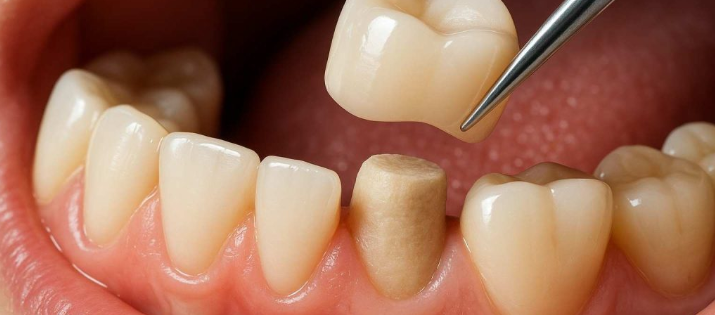
A dental crown is a tooth-shaped cap that is placed over a damaged or weakened tooth to restore its shape, strength, size, and appearance. Crowns and fillings are both used to repair teeth, but they serve different purposes and are suited to different levels of damage. Understanding when a crown is the right choice over a filling can help you make informed decisions about your dental care.
If you are dealing with a damaged tooth and are unsure of your options, visiting a trusted practice such as Totteridge Dental Studio is the right first step. The team welcomes new patients for both general and cosmetic treatments, and you can reach them directly by phone or WhatsApp, even on weekends.
For patients seeking restorative dental care in the area, dental crowns are one of the most reliable long-term solutions available. They are used across a wide range of clinical situations and can dramatically extend the life of a compromised tooth.
Where a crown is not required, a white filling may offer a more conservative and equally effective solution, particularly for smaller areas of decay or damage. Your dentist will assess the extent of the problem and recommend the most appropriate treatment.
In cases of significant structural damage or advanced decay, oral surgery or more complex intervention may be considered alongside or instead of crown placement. A thorough clinical examination is always the starting point.
What Is a Dental Crown?
A dental crown, sometimes called a cap, is a custom-made restoration that fits entirely over the visible portion of a tooth above the gum line. It is permanently cemented in place and functions like a natural tooth in terms of biting and chewing. Crowns can be made from several materials including porcelain, ceramic, metal alloys, or a combination of porcelain fused to metal.
Modern crowns are designed to closely match the colour and contour of your surrounding teeth, making them virtually indistinguishable from natural enamel in most cases.
Common reasons a crown is recommended:
- A tooth has cracked or fractured significantly
- Decay has destroyed a large portion of the tooth structure
- A tooth has had root canal treatment and needs protection
- An existing filling is failing or has become too large to support the remaining tooth
- A tooth is severely worn down from grinding or acid erosion
- A dental implant requires a crown to replace a missing tooth
- Cosmetic correction is needed for a severely misshapen tooth
What Is a Dental Filling?
A filling is a restorative material placed directly into a tooth to repair a cavity or small area of damage. Modern white fillings, also known as composite fillings, are made from tooth-coloured resin that bonds directly to the tooth surface. They are completed in a single appointment and require minimal removal of healthy tooth structure.
Fillings are an excellent option when the damage is limited and the surrounding tooth structure remains largely intact. They are quick, cost-effective, and when placed well, can last many years with proper care.
Fillings are typically suited to:
- Small to medium cavities caused by decay
- Minor chips or surface damage
- Replacing old amalgam fillings for aesthetic reasons
- Situations where the majority of the tooth structure is still healthy
Crown vs Filling: How to Know Which One You Need
The decision between a crown and a filling comes down to how much healthy tooth structure remains and how much stress the tooth will need to withstand. Your dentist will evaluate this through a clinical examination, often supported by dental X-rays.
A crown is generally preferred when:
- More than half of the tooth structure has been lost to decay or damage
- The tooth has already had a root canal treatment
- There is a crack that extends towards or below the gum line
- The existing filling has failed and there is not enough tooth structure to support a new one
- The tooth is a load-bearing molar that experiences high chewing forces
A filling is generally preferred when:
- The cavity or damage is small and localised
- The majority of the tooth enamel and structure is still intact
- The tooth has not undergone root canal treatment
- The damage is primarily cosmetic or surface-level
A qualified dental professional will always recommend the most conservative treatment that achieves a reliable, long-lasting result.
What to Expect During Crown Placement
Crown placement is typically completed over two appointments, though some practices offer same-day crowns using digital scanning technology.
Standard crown procedure:
- Your dentist examines the tooth and takes X-rays to assess the root and surrounding bone
- The tooth is shaped and reduced to make room for the crown
- Impressions or digital scans of the tooth are taken
- A temporary crown is placed while your permanent crown is being made in a laboratory
- At your second appointment, the temporary crown is removed and the permanent crown is fitted and cemented in place
The procedure is carried out under local anaesthetic, so the tooth and surrounding area are numbed before treatment begins. Most patients report little to no discomfort during the process.
How Long Does a Dental Crown Last?
With proper care, a well-made dental crown can last between 10 and 20 years or longer. The lifespan depends on several factors including the material used, the location of the tooth in the mouth, your bite, and your oral hygiene habits.
To maximise the longevity of your crown:
- Brush twice daily with fluoride toothpaste
- Floss carefully around the margin where the crown meets the gum
- Attend regular dental check-ups and hygienist appointments
- Avoid chewing on very hard foods such as ice or hard sweets
- Wear a mouthguard if you grind your teeth at night or play contact sports
If you play sport, a custom sports mouthguard can help protect both crowns and natural teeth from impact damage.
Common Myths About Dental Crowns
Myth: Crowns are only cosmetic. Crowns serve a primary function of protecting and strengthening a damaged tooth. Aesthetics are often a secondary benefit, not the main purpose.
Myth: A crowned tooth cannot get decay. The tooth structure beneath the crown can still decay, particularly at the margin where the crown meets the gum. Consistent brushing and flossing around the crown is essential.
Myth: You always need a crown after a root canal. While crowns are strongly recommended after root canal treatment for back teeth, front teeth may sometimes be managed with a filling depending on how much structure remains.
Myth: Crowns look obviously artificial. Modern ceramic and porcelain crowns are crafted to closely mimic the translucency and shade of natural teeth, making them very difficult to detect in conversation or photographs.
Dental Crowns in North London
Totteridge Dental Studio at 59 Totteridge Lane, London N20 0HD is a multi-award-winning dental practice with over 35 years of joint clinical experience. Recognised as Highly Commended Dentist of the Year 2021, the practice offers dental crowns as part of a comprehensive restorative and cosmetic dentistry service.
The team accepts new patients across general, cosmetic, and orthodontic treatments and offers 12-month 0% interest-free finance to make treatment accessible. The practice is open Monday to Friday from 8:30 AM to 5:00 PM, with Saturday appointments available by prior arrangement. Patients can contact the practice directly by calling +44 20 4634 4042, emailing info@totteridgedental.co.uk, or messaging via WhatsApp including on weekends.
Frequently Asked Questions
1. Does getting a crown hurt? The procedure is carried out under local anaesthetic, so you should not feel pain during the appointment. Some mild sensitivity or discomfort around the tooth is normal for a few days after treatment.
2. Can a cracked tooth always be saved with a crown? Not always. If the crack extends below the gum line or into the root, extraction may be necessary. Your dentist will assess the extent of the crack before recommending a treatment plan.
3. How long will my temporary crown last? Temporary crowns are designed to last only until your permanent crown is ready, usually one to two weeks. Avoid sticky or hard foods during this period to protect it.
4. Is a crown better than having the tooth removed? In most cases, preserving your natural tooth with a crown is preferable to extraction. Keeping your natural teeth helps maintain your bite alignment, jaw bone density, and overall oral health.
5. Can I get a crown on the same day? Some dental practices offer same-day crowns using digital impression technology and in-house milling. Speak to your dentist about whether this option is available and suitable for your specific case.
Conclusion
A dental crown is a highly effective long-term solution for teeth that are too damaged or weakened to be reliably restored with a filling alone. Understanding the clinical reasoning behind this choice helps patients approach their dental care with confidence. When in doubt, a thorough professional assessment is always the most reliable guide to the right treatment.