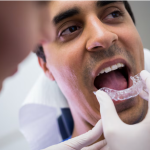
Nervous patient treatment in Finchley N12 refers to a range of specialised dental care approaches designed to help anxious and fearful patients receive the dental treatment they need in a calm, supportive, and comfortable environment. It is a recognised area of dental care that acknowledges dental anxiety as a very real and very common experience, affecting millions of people across the United Kingdom and preventing many of them from attending regular appointments or seeking help when problems arise. If fear of the dentist has been stopping you from taking care of your oral health, nervous patient treatment offers a compassionate and practical solution that puts your comfort and wellbeing at the centre of every appointment.
For patients in and around Finchley N12, understanding and patient-focused dental care is available just nearby at the Dental Clinic in Totteridge, where the team takes a genuinely gentle and unhurried approach to every patient, and where those with dental anxiety are welcomed with particular care and sensitivity.
What Is Nervous Patient Treatment
Nervous patient treatment is not a single procedure but rather a collection of clinical techniques, communication strategies, and sedation options that work together to make dental visits accessible and manageable for patients who experience fear, anxiety, or phobia in relation to dental care. The goal is to remove the barriers that anxiety creates so that patients can receive the treatment their oral health requires without distress, and to build a positive and trusting relationship with dental care over time.
Dental anxiety exists on a broad spectrum. Some patients feel mild unease before appointments that passes once they are in the chair. Others experience significant distress at the thought of attending, to the point where they avoid dental care entirely for months or years. Both ends of this spectrum and everything in between are valid, recognised experiences that a skilled and empathetic dental team is trained to address with care. Patients seeking Dental Care in Totteridge will find that Totteridge Dental Studio approaches every nervous patient with patience, understanding, and a full range of support options tailored to their individual level of anxiety.
Dental anxiety is more common than many people realise, and it is never something to feel embarrassed about. The causes are varied and personal, and a good dental team will never minimise or dismiss how a patient feels. Whether your anxiety stems from a difficult past dental experience, a general fear of medical environments, sensitivity to sounds or smells, a fear of needles, or simply a feeling of vulnerability and loss of control, there are effective strategies available to help you manage your experience and receive the care you need.
For patients who have experienced a dental emergency and found the stress of that situation particularly difficult to cope with, the team providing Dental Emergency in Finchley N12 London care at Totteridge Dental Studio is experienced in supporting anxious patients through urgent situations with calm, clear communication and a reassuring approach.
Signs That You May Need Nervous Patient Support
Recognising the signs that dental anxiety is affecting your oral health is the first and most important step toward seeking the support that is available to you. You may benefit from nervous patient treatment if you identify with any of the following:
- You have avoided attending a dental appointment for more than a year due to fear or anxiety
- You feel a sense of dread or panic when you think about booking or attending a dental visit
- You experience physical symptoms such as a racing heartbeat, sweating, nausea, or difficulty breathing when you are in or approaching a dental environment
- You have cancelled or not attended dental appointments at the last minute due to anxiety on multiple occasions
- You only attend the dentist when you are in significant pain and have no other option
- You find it difficult to open your mouth fully or to tolerate instruments in your mouth during treatment
- You feel a strong sense of embarrassment or shame about the current condition of your teeth as a result of avoiding dental care
- You have experienced a traumatic or painful dental procedure in the past that has made you fearful of future treatment
Any one of these signs is a valid reason to seek out a dental practice that specialises in caring for nervous patients. Addressing dental anxiety with professional support not only improves your oral health but also significantly reduces the level of distress you experience over time as positive dental experiences begin to replace the negative associations that have built up.
A trusted Dentist in Totteridge who is experienced in working with nervous patients will approach your first appointment with particular care, taking the time to understand your specific fears and concerns before any clinical work is discussed or undertaken.
How Nervous Patient Treatment Works: Step by Step
Understanding the process of nervous patient treatment from the very first contact with the clinic through to completed dental care helps anxious patients feel more in control and better prepared for each stage of their journey.
Step 1: Making First Contact
For many nervous patients, simply picking up the phone or sending an email to book an appointment is the hardest step of all. When you contact Totteridge Dental Studio, the team will listen to your concerns with care and without judgment from the very first interaction. You do not need to be in pain or have an urgent problem to reach out. Simply letting the team know that you are a nervous patient when you make contact means that every subsequent interaction can be tailored to your needs from the outset.
Totteridge Dental Studio is one of the best dental clinics in Totteridge and has a longstanding commitment to supporting nervous and anxious patients across Finchley N12 and North London. The clinic is located at 59 Totteridge Ln, London N20 0HD, United Kingdom. You can reach the team by calling +44 20 8445 5024 or by emailing info@totteridgedental.co.uk.
Step 2: A Dedicated Anxiety-Focused Consultation
Your first appointment will be a no-pressure consultation focused entirely on getting to know you and understanding your anxiety. There is no obligation for any clinical treatment to take place at this visit if you are not ready. Your dental team will take a full medical and dental history, discuss your past experiences and the specific aspects of dental care that you find most difficult, and explain the range of support options available to you. This appointment is about building trust and establishing a safe foundation for your future care.
Step 3: Creating a Personalised Comfort Plan
Based on your consultation, your dental team will work with you to create a personalised comfort plan that outlines how your appointments will be structured and what measures will be in place to support you. This plan may include agreed signals such as raising your hand to pause treatment at any time, the use of sedation, longer appointment slots, a specific order of treatment steps, or simply a more thorough explanation of each step before it happens. Every element of the plan is designed around your individual needs.
Step 4: Gradual Introduction to Treatment
Where possible, treatment is introduced gradually, beginning with the simplest and least invasive procedures first to allow you to build confidence and positive associations with dental care over time. A nervous patient who has not attended a dentist in several years will not be expected to undergo complex treatment at the first clinical appointment. Allowing time for trust to develop and for anxiety levels to reduce naturally is a fundamental part of the nervous patient approach.
Step 5: Sedation Options Where Appropriate
For patients whose anxiety is severe enough that it prevents them from tolerating treatment even with other support strategies in place, conscious sedation is available. The most commonly used form of dental sedation is inhalation sedation using nitrous oxide, often referred to as happy gas or relative analgesia. This is administered through a small nose mask and produces a calm, relaxed, and mildly euphoric state while the patient remains fully conscious, able to communicate, and able to respond to instructions.
Intravenous sedation, which involves the administration of a sedative medication through a small cannula in the back of the hand, produces a deeper state of relaxation and is appropriate for patients with more significant anxiety or for longer and more complex procedures. Patients who receive intravenous sedation are often left with little or no memory of the procedure, which can be a significant benefit for those with strong fear responses. Your dental team will discuss the most suitable sedation option for your level of anxiety and the treatment required during your consultation.
Step 6: Treatment in a Calm and Controlled Environment
All treatment for nervous patients is carried out at a pace set by the patient, with regular check-ins, clear explanations of each step before it is undertaken, and a genuine commitment to stopping immediately if the patient signals that they need a break. The clinical environment is kept as calm and non-threatening as possible, and every member of the team involved in your care will be aware of your anxiety and trained to respond with sensitivity.
Step 7: Positive Reinforcement and Building Long-Term Confidence
After each appointment, your dental team will acknowledge the progress you have made and reinforce the positive experience you have had. Over time and with repeated positive appointments, the level of anxiety most patients feel diminishes significantly. Many patients who begin treatment as extremely nervous individuals go on to attend regular check-ups without significant distress, which is one of the most rewarding outcomes of well-delivered nervous patient care.
Sedation Options for Nervous Dental Patients
Understanding the sedation options available helps nervous patients make an informed decision about which approach is most suitable for their needs.
Inhalation Sedation (Nitrous Oxide)
Inhalation sedation is the mildest form of dental sedation and is suitable for patients with mild to moderate anxiety. It acts quickly, wears off within minutes of the mask being removed, and allows patients to drive and return to normal activities after their appointment. It is safe for most patients including children and is widely regarded as the most accessible and well-tolerated form of dental sedation available.
Oral Sedation
Oral sedation involves taking a prescribed sedative tablet before the appointment to reduce anxiety levels on the day of treatment. It does not produce as deep a level of sedation as intravenous methods but can significantly reduce the level of conscious anxiety a patient experiences during their visit. Patients who take oral sedation must not drive to or from their appointment and should arrange for a responsible adult to accompany them.
Intravenous Sedation
Intravenous sedation produces the deepest level of conscious sedation available in a dental practice setting. Patients remain awake and able to respond but feel deeply relaxed and typically have no memory of the procedure afterward. It is the most appropriate option for patients with severe dental phobia or for those undergoing lengthy or complex procedures. Patients must not drive for twenty-four hours following intravenous sedation and must be accompanied home by a responsible adult.
Common Mistakes Nervous Patients Make
Awareness of the most common errors that anxious dental patients make helps you avoid decisions that prolong or worsen your anxiety and its impact on your oral health.
Avoiding dental care until pain forces attendance is the most damaging pattern that dental anxiety creates. Dental problems that are detected and treated early are far simpler, less invasive, and less costly to address than those that have been allowed to progress untreated for an extended period. The irony for many nervous patients is that avoidance leads to more complex treatment being needed, which in turn reinforces the fear. Breaking this cycle as early as possible leads to better outcomes on every level.
Not telling the dental team about your anxiety means that the team cannot put the appropriate support measures in place for your appointment. Many patients feel embarrassed to admit their fear and try to manage it alone, which makes the experience harder than it needs to be. Dental teams who specialise in nervous patient care are genuinely equipped and motivated to help, but they can only do so if they know what you are experiencing.
Choosing a dental practice based on convenience rather than compatibility can make a significant difference to the experience of a nervous patient. A dental practice that does not have experience in supporting anxious patients, or that does not create a patient-centred and unhurried environment, may inadvertently reinforce rather than reduce your anxiety. Seeking out a practice with a specific commitment to nervous patient care is a worthwhile investment in your long-term oral health and wellbeing.
Cancelling appointments at the last minute repeatedly without rescheduling maintains the cycle of avoidance and prevents oral health problems from being addressed. If you feel too anxious to attend a scheduled appointment, contact the clinic and explain how you are feeling rather than simply not attending. A supportive dental team will work with you to find a solution rather than simply rebooking without addressing the underlying concern.
Prevention and Maintenance Tips for Nervous Dental Patients
Maintaining good oral health between appointments reduces the likelihood of complex treatment being required and helps to keep dental visits straightforward and manageable.
Brush your teeth twice daily for a minimum of two minutes using a fluoride toothpaste and a soft-bristled toothbrush. Good daily oral hygiene is the single most effective way to prevent tooth decay and gum disease, which are the two most common reasons that more significant dental treatment becomes necessary.
Floss or use interdental brushes once daily to clean the spaces between your teeth where a toothbrush cannot reach. Gum disease and decay between the teeth are among the most common consequences of neglected interdental cleaning and are entirely preventable with a consistent daily routine.
Attend dental check-up appointments at the frequency recommended by your dental team, even if those appointments are initially just for a gentle examination without any treatment. Regular attendance allows problems to be caught at their earliest and most manageable stage and builds the positive pattern of dental attendance that gradually reduces anxiety over time.
Communicate openly with your dental team about how you are feeling before and during every appointment. If something is making you more anxious than usual on a particular day, saying so allows your team to adjust their approach accordingly and ensures the appointment remains a positive experience.
Frequently Asked Questions
- How do I tell my dentist I am nervous without feeling embarrassed?
You can simply mention it when you call to book your appointment or at the start of your visit. A dental team experienced in nervous patient care will respond with understanding and without judgment. Many patients feel anxious about admitting their anxiety, but doing so is always the right decision as it allows the team to put the right support in place from the very beginning. You can also send an email ahead of your appointment if speaking on the phone feels easier.
- Can I receive dental treatment under sedation if my anxiety is severe?
Yes. Several sedation options are available for patients whose anxiety makes it difficult to tolerate treatment while fully conscious. Inhalation sedation, oral sedation, and intravenous sedation each offer different levels of relaxation and are suitable for different levels of anxiety and different types of treatment. Your dental team will discuss the most appropriate option for your individual situation during a dedicated consultation before any sedated treatment is planned.
- What if I need to stop during treatment?
You are always in control during dental treatment. Before any procedure begins, your dental team will agree on a stop signal with you, typically raising your hand, which means that treatment will pause immediately and the team will check in with you before continuing. You will never be expected to push through discomfort or distress. Knowing that you have this control at all times is something many nervous patients find significantly reassuring.
- Will my teeth be judged if I have not been to the dentist in a long time?
No. Dental teams who specialise in nervous patient care understand completely that dental anxiety is often the reason patients have not attended for extended periods, and they will never make you feel judged or ashamed about the current condition of your teeth. Their focus is entirely on helping you move forward with your dental health in a way that feels safe and supported, not on making you feel bad about the past.
- How long does it take for dental anxiety to improve with treatment?
The timeline for improvement varies between individuals and depends on the severity of the anxiety and the complexity of the dental treatment required. Many patients find that their anxiety reduces noticeably after just two or three positive dental experiences. With consistent attendance, a supportive dental team, and a gradual and patient-centred approach to treatment, most nervous patients experience a significant and lasting reduction in dental anxiety over time.
Conclusion
Nervous patient treatment in Finchley N12 offers a compassionate, structured, and highly effective approach to helping anxious individuals access the dental care they need and deserve without fear or distress standing in the way. With the right support, the right environment, and a dental team that genuinely understands and prioritises your comfort, dental anxiety can be managed, reduced, and in many cases overcome entirely. Totteridge Dental Studio, located at 59 Totteridge Ln, London N20 0HD, United Kingdom, is committed to providing nervous patients across Finchley N12 and North London with the understanding, patience, and clinical expertise needed to transform their relationship with dental care for the better.