A sports mouthguard in Finchley N12 is a custom-fitted protective dental appliance worn over the teeth and gums during physical activity to absorb and distribute the impact of blows to the face, jaw, and mouth that could otherwise result in serious dental injury. If you or your child participates in any contact sport or high-impact physical activity, wearing a properly fitted sports mouthguard is one of the most straightforward and most effective protective measures you can take to prevent costly, painful, and potentially permanent damage to your teeth. For residents in and around Finchley who want reliable and professionally made protection, choosing a trusted Dental Clinic in Totteridge to provide a custom-fitted mouthguard is the single best decision you can make for your dental safety during sport.
Dental injuries sustained during sports are far more common than most people realize, and they account for a significant proportion of traumatic dental injuries seen in dental clinics across the United Kingdom every year. The consequences of a sporting dental injury can range from a chipped tooth requiring cosmetic repair to a completely knocked-out tooth, a fractured jaw, or severe lacerations to the lips, tongue, and soft tissues of the mouth. These outcomes are not only painful and distressing in the moment but can also require extensive and lengthy dental treatment to address. For players and parents seeking dependable Dental Care in Totteridge that includes preventive solutions for athletes of all ages and levels, a professionally fitted sports mouthguard offers protection that no other single piece of equipment can replicate.
What Is a Sports Mouthguard
A sports mouthguard is a removable oral appliance made from a resilient, flexible material that covers the upper teeth and the surrounding gum tissue. It acts as a shock absorber during impact, cushioning the force of a blow to the face or jaw and distributing that force across a wider surface area rather than allowing it to concentrate on individual teeth, the jaw joint, or the bones of the skull.
A well-designed sports mouthguard protects not only the teeth but also the soft tissues of the mouth, including the lips, cheeks, tongue, and gums, which can be cut or lacerated against the sharp edges of teeth or dental work during an impact. It also provides some protection against concussion by cushioning the jaw against the base of the skull during a blow to the chin or lower face.
There are three main categories of sports mouthguard available, and they differ significantly in the level of protection, comfort, and fit they provide. Understanding these differences is important for making the right choice for your specific needs and level of activity.
A skilled Dentist in Totteridge with experience in providing sports mouthguards will take the time to assess your individual dental anatomy, the sport you participate in, and any specific risk factors relevant to your situation before recommending and fabricating the most appropriate protective appliance for you.
Totteridge Dental Studio is one of the best dental clinics in Totteridge, providing custom-fitted sports mouthguards to athletes of all ages and levels across Finchley N12 and the surrounding areas of North London. The studio is located at 59 Totteridge Ln, London N20 0HD, United Kingdom. You can contact the friendly team at info@totteridgedental.co.uk or call +44 20 8445 5024 to arrange your mouthguard appointment and take the first step toward properly protecting your smile during sport.
Types of Sports Mouthguards: A Clear Comparison
Understanding the differences between the three main types of sports mouthguard helps you make an informed decision about which option is right for your needs.
Stock Mouthguards
Stock mouthguards are pre-formed, ready-to-wear appliances that are available from sports shops and pharmacies in standard sizes. They require no customization and are worn straight from the packaging. While they are the most inexpensive option, they offer the least protection, the poorest fit, and the greatest discomfort of the three types. Stock mouthguards often sit loosely in the mouth, make breathing and speaking difficult, and can actually interfere with athletic performance. They provide a very limited degree of genuine dental protection compared to the other options available and are generally not recommended by dental professionals.
Boil and Bite Mouthguards
Boil and bite mouthguards are softened in hot water and then bitten into by the wearer to create a rough impression of the teeth. They offer a better fit than stock mouthguards and are significantly more widely available and less expensive than custom-made options. However, the degree of customization they provide is limited, and the fit and protection they offer is considerably inferior to a custom-fitted laboratory-made mouthguard. For occasional or low-contact activities, a boil and bite mouthguard represents a significant improvement over a stock option. For regular participation in contact or high-impact sports, a custom-fitted mouthguard is strongly recommended.
Custom-Fitted Mouthguards
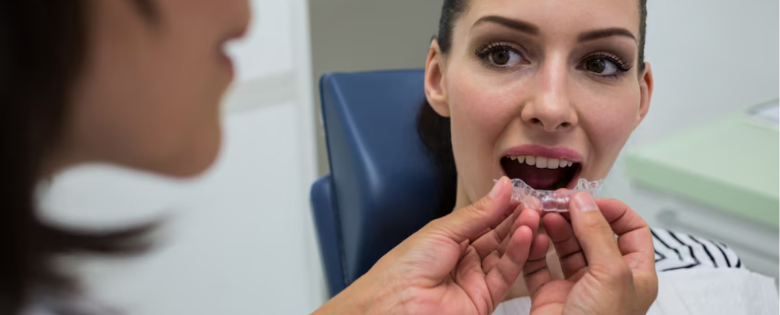
Custom-fitted sports mouthguards are fabricated by a dental laboratory from precise impressions or digital scans of the patient’s teeth taken by a dental professional. The resulting appliance fits the individual’s teeth and gums exactly, providing maximum coverage, superior protection, and a level of comfort that allows the athlete to breathe, speak, and perform without restriction. Custom mouthguards are made from high-quality materials in a controlled thickness that is calibrated for optimal shock absorption, and they can be produced in a wide range of colors and designs to suit personal preferences and team colors. The investment in a custom-fitted mouthguard from a dental professional is the most effective and clinically recommended approach to sports dental protection.
For patients who want to explore custom mouthguard options in detail, the Sports Mouthguard in Finchley N12 London page at Totteridge Dental Studio provides a comprehensive overview of what the process involves and the protective options available to local athletes.
Who Needs a Sports Mouthguard
The simple answer is that any person who participates in a sport or physical activity that carries a risk of impact to the face, jaw, or mouth should wear a sports mouthguard during that activity. This applies to children and adults alike, to recreational participants and competitive athletes, and to players at every level of experience and ability.
Sports that most commonly result in dental injuries include rugby, football, boxing, martial arts, hockey, basketball, cricket, cycling, skateboarding, and gymnastics. However, dental injuries can and do occur in a much wider range of activities, and the protective benefit of a mouthguard extends to any situation where a fall, collision, or impact to the face is a realistic possibility.
Children are particularly vulnerable to sporting dental injuries for several reasons. Their teeth are still developing, their reflexes and spatial awareness are less developed than those of adults, and the sports and playground environments they occupy carry a high frequency of uncontrolled impacts and collisions. A mouthguard is one of the most valuable pieces of protective equipment a young athlete can have, and introducing the habit of wearing one early in life establishes a safety-conscious attitude toward sport that will serve them well throughout their athletic career.
Adults who wear fixed dental restorations such as crowns, bridges, or veneers are at particular risk from sporting dental injuries, as the cost and complexity of repairing or replacing these restorations following trauma is significant. A custom-fitted mouthguard provides a layer of protection around these restorations that greatly reduces the risk of costly damage.
Signs That You Need a Sports Mouthguard
There are several clear indicators that suggest you or your child should be wearing a sports mouthguard during physical activity.
You or your child participates in a contact sport such as rugby, boxing, martial arts, or hockey at any level of competition or ability. You or your child has previously sustained a dental injury during sport, including a chipped, cracked, or knocked-out tooth, or a laceration to the lips or soft tissues of the mouth. You have existing dental work such as crowns, bridges, veneers, or implants that would be costly and complex to repair or replace if damaged during sport. Your child’s dentist has noted that their teeth are at a developmental stage that makes them particularly susceptible to trauma. You or your child participates in any recreational physical activity where falls, collisions, or unexpected impacts to the face are a realistic possibility.
If any of these apply, the conversation about getting a custom-fitted sports mouthguard from a qualified dental professional should happen sooner rather than later. A dental injury during sport is always unexpected, and being unprotected at the moment it happens is a risk that a simple, comfortable, and effective appliance can eliminate.
Step-by-Step: Getting a Custom Sports Mouthguard at a Dental Clinic
Understanding the process of obtaining a custom-fitted sports mouthguard from a dental professional helps patients and parents know what to expect from start to finish.
Step 1: Initial Appointment and Assessment Your first step is to book an appointment with your dental team to discuss your mouthguard requirements. At this appointment, the dentist will examine your teeth and gums, discuss the sport or activity you are participating in, consider any specific risk factors relevant to your situation such as existing dental work or a history of dental injury, and confirm that a custom mouthguard is the most appropriate protective solution for you.
Step 2: Taking Impressions or Digital Scans Precise impressions or digital scans of your upper and lower teeth are taken during the appointment. These records capture the exact shape and dimensions of your dental anatomy and are sent to a dental laboratory where your custom mouthguard will be fabricated. The impression or scanning process is quick, comfortable, and non-invasive.
Step 3: Mouthguard Fabrication In the dental laboratory, a skilled technician uses the impressions or digital records to create your custom mouthguard from high-quality protective material. The material is selected and calibrated to the appropriate thickness for optimal shock absorption and comfort. You can choose from a range of colors or color combinations at this stage, including team colors or personal preferences.
Step 4: Fitting and Adjustment When your custom mouthguard is ready, you will return to the clinic to have it fitted. Your dental team will check that the mouthguard seats correctly over the upper teeth, covers the gum tissue adequately, does not interfere with breathing or speaking, and feels comfortable when worn during simulated biting and clenching movements. Any minor adjustments needed to optimize the fit are made at this stage.
Step 5: Care Instructions and Follow-Up Your dental team will provide detailed guidance on how to clean and store your mouthguard correctly to maintain its hygiene and prolong its lifespan. They will also advise on when to return for a check of the mouthguard’s condition and fit, as custom mouthguards may need to be replaced or remade periodically, particularly for children and teenagers whose teeth and jaws are still developing.
Custom Mouthguard Versus Boil and Bite: Why the Difference Matters
The superiority of a custom-fitted mouthguard over a boil and bite option comes down to three critical factors: protection, comfort, and fit.
Protection is the primary purpose of a mouthguard, and custom mouthguards outperform boil and bite options in every measurable aspect of impact absorption. The even thickness and precise coverage of a custom appliance ensures that impact forces are distributed optimally across the entire protected surface. Boil and bite mouthguards have uneven thickness and incomplete coverage that leaves some areas of the teeth and gums more vulnerable than others.
Comfort directly affects compliance. A mouthguard that is uncomfortable to wear is a mouthguard that will be left in the kit bag. Custom mouthguards are designed to fit precisely without requiring the wearer to bite down to hold them in place, which means breathing and speaking are unaffected and the appliance stays securely positioned during activity without conscious effort.
Fit determines both protection and comfort. A mouthguard that does not fit correctly cannot distribute impact forces effectively and cannot remain in the correct position during dynamic movement. The precision fit of a custom laboratory-fabricated mouthguard is simply not achievable through the self-moulding process of a boil and bite product.
Common Mistakes Patients and Parents Make Regarding Sports Mouthguards
Being aware of the most frequent errors surrounding sports mouthguard use helps you avoid decisions that undermine the protection and investment a mouthguard represents.
Choosing a stock or boil and bite mouthguard purely on the basis of cost without considering the significant difference in protection is one of the most common mistakes. The cost of repairing or replacing even a single damaged tooth following a sporting injury will almost certainly exceed the cost of a custom mouthguard many times over.
Not replacing a mouthguard when it has become worn, distorted, or ill-fitting is another frequent error. A mouthguard that no longer fits correctly cannot provide the level of protection it was designed for. Children’s mouthguards in particular need to be reviewed and replaced regularly as their teeth and jaws grow and change.
Failing to wear the mouthguard during training as well as during competitive matches is a mistake that many athletes make. Dental injuries are just as likely to occur during a training session as during a competitive game, and the mouthguard should be worn consistently during any activity that carries an impact risk.
Storing the mouthguard incorrectly by leaving it loose in a kit bag where it can be crushed, contaminated, or lost significantly shortens its lifespan and compromises its hygiene. Always store your mouthguard in its protective case when it is not being worn.
Not informing the dental team about changes in dental work such as new restorations, extractions, or orthodontic treatment means that the mouthguard may no longer fit correctly over the altered dental anatomy. Significant changes to the teeth should always prompt a review of the mouthguard’s fit with the dental team.
Maintenance and Care Tips for Your Sports Mouthguard
Proper care of a custom sports mouthguard extends its lifespan, maintains its hygienic condition, and ensures it continues to provide the protection it was designed to deliver.
Rinse your mouthguard thoroughly with cold water before and after every use. Never use hot water to clean or rinse a mouthguard as heat can distort the material and alter the fit. Clean your mouthguard gently with a soft toothbrush and mild soap after each use, then rinse it thoroughly and allow it to air dry before storing it in its protective case.
Store the mouthguard in a ventilated, rigid protective case when it is not being worn. This protects it from physical damage, prevents contamination, and reduces the likelihood of it being lost or accidentally discarded. Keep the mouthguard away from direct sunlight and sources of heat, both of which can degrade the material over time.
Inspect your mouthguard regularly for signs of wear including thinning of the material, tears, holes, or distortion of the shape. A mouthguard showing these signs should be replaced promptly as its protective capacity will have been compromised. Bring your mouthguard to every dental check-up so your dental team can assess its condition and fit and advise you on when replacement is appropriate.
Frequently Asked Questions
- At what age should a child start wearing a sports mouthguard?
Children should begin wearing a sports mouthguard as soon as they start participating in contact or high-impact sporting activities, regardless of age. Even young children in recreational football or gymnastics benefit from the protection a mouthguard provides. Because children’s teeth and jaws are continuously developing, their mouthguards will need to be replaced more frequently than those of adults, typically every twelve to eighteen months, to ensure the fit remains accurate and the protection level is maintained as the dental anatomy changes.
- Can I wear a mouthguard if I have braces?
Yes, but a standard custom mouthguard designed for natural teeth will not fit correctly over orthodontic brackets and wires. Special orthodontic mouthguards are available that are designed to accommodate fixed braces while still providing meaningful protection. If you or your child wears fixed braces and participates in contact sports, discussing the most appropriate mouthguard option with your dental team is essential. Protecting the mouth during orthodontic treatment is particularly important as any injury that damages the brackets or wires can significantly disrupt the treatment timeline.
- How long does a custom sports mouthguard last?
A well-maintained custom sports mouthguard typically lasts between one and three years for adults, depending on the frequency of use, the sports played, and how well the appliance is cared for between sessions. For children and teenagers, replacement is needed more frequently due to the ongoing development of the teeth and jaws. Your dental team will assess the condition and fit of your mouthguard at your regular check-up appointments and advise you on the appropriate time for replacement.
- Does wearing a mouthguard affect breathing or speaking during sport?
A properly fitted custom mouthguard should not significantly affect breathing or speaking during physical activity. One of the key advantages of a custom-fitted mouthguard over stock or boil and bite options is that it fits securely without requiring the wearer to bite down to keep it in place, which allows the jaw to relax naturally during activity. If you find that your mouthguard is affecting your breathing or speech in a way that interferes with your performance, returning to your dental team for an assessment and any necessary adjustment is always the right course of action.
- Is a sports mouthguard only necessary for professional or competitive athletes?
No. A sports mouthguard is appropriate and beneficial for anyone who participates in physical activity that carries a risk of impact to the face or mouth, regardless of whether they are a professional competitor, an amateur club player, or a recreational participant. Dental injuries do not discriminate based on ability level or competitive status, and the consequences of an unprotected injury are equally significant for a weekend footballer as for a professional rugby player. The habit of wearing a mouthguard during sport is a sensible and responsible protective measure at every level of participation.
Conclusion
A custom sports mouthguard in Finchley N12 is one of the simplest, most effective, and most underutilized pieces of protective equipment available to athletes of every age and level, and the investment it represents is minimal compared to the cost and complexity of treating a serious dental injury sustained during sport. Wearing a properly fitted mouthguard consistently during every training session and competitive match, caring for it correctly between uses, and replacing it when the fit or condition no longer meets the required standard are the three commitments that ensure your smile remains protected throughout your sporting life. Totteridge Dental Studio, located at 59 Totteridge Ln, London N20 0HD, United Kingdom, is one of the most trusted dental clinics in Totteridge, providing expertly fitted custom sports mouthguards to athletes across Finchley N12 and North London with the care, precision, and commitment to patient wellbeing that every smile deserves.