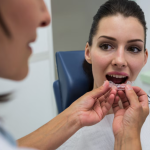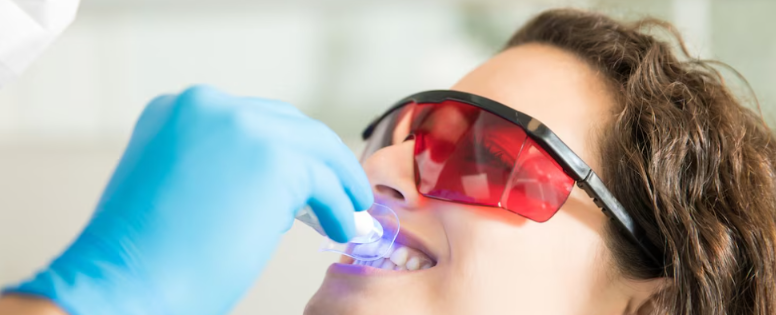
Teeth whitening in Finchley N12 is a safe, clinically proven cosmetic dental treatment that lightens the natural color of your teeth by removing stains and discoloration from the enamel and dentine. If your teeth have become yellowed, dull, or stained from coffee, tea, red wine, tobacco, or simply the natural aging process, professional teeth whitening can restore brightness and significantly improve the overall appearance of your smile in a relatively short period of time. For residents in and around the Finchley area who want reliable and professionally supervised whitening results, choosing a trusted Dental Clinic in Totteridge with experience in cosmetic dental treatments is the most effective way to achieve results that are both safe and genuinely impressive.
Professional teeth whitening is one of the most popular cosmetic dental treatments available today, and for good reason. It is non-invasive, requires no alteration to the natural tooth structure, and can produce a noticeable improvement in the brightness of a smile that makes a meaningful difference to a patient’s confidence and self-presentation. For patients seeking high-quality Dental Care in Totteridge that addresses both the health and the aesthetics of their smile, professional whitening delivered under dental supervision offers a level of safety, effectiveness, and personalization that over-the-counter products simply cannot match.
What Is Teeth Whitening and How Does It Work
Teeth whitening is a cosmetic dental procedure that uses peroxide-based bleaching agents to break down and lift stains from the surfaces and inner structure of the teeth. The active ingredient in most professional whitening treatments is hydrogen peroxide or carbamide peroxide, which penetrates the enamel layer of the tooth and reaches the dentine beneath, where many of the deeper stains reside.
When the peroxide comes into contact with the stained molecules within the tooth structure, it triggers a chemical reaction that breaks apart the molecular bonds holding the colored compounds together. As these bonds break, the stain molecules are dispersed and the tooth appears noticeably lighter and brighter. Professional whitening treatments use carefully formulated concentrations of these active ingredients that are significantly more effective than anything available in over-the-counter products, while remaining within the safety parameters regulated by dental authorities in the United Kingdom.
It is important to understand that teeth whitening only affects the natural tooth structure. It does not change the color of existing dental restorations such as crowns, veneers, bridges, or composite fillings. If you have visible restorations in your smile, your dental team will discuss this with you during your consultation and advise on the best approach to achieving a consistent result.
A qualified Dentist in Totteridge will assess the current shade of your teeth, the nature of the staining present, the condition of your enamel, and the health of your gums before recommending a whitening approach that is tailored to your individual situation and aesthetic goals.
Totteridge Dental Studio is one of the best dental clinics in Totteridge, providing professionally supervised teeth whitening treatments to patients across Finchley N12 and the surrounding areas of North London. The studio is located at 59 Totteridge Ln, London N20 0HD, United Kingdom, and the team can be reached at info@totteridgedental.co.uk or by calling +44 20 8445 5024 to book a whitening consultation or ask any questions about available treatment options.
Signs That Teeth Whitening May Be Right for You
Many patients live with tooth discoloration for years without realizing how accessible and straightforward professional whitening has become. Here are the most common signs that teeth whitening may be a beneficial treatment for you.
Your teeth have become noticeably yellowed or dull over time despite regular brushing and good oral hygiene habits at home. You have visible staining from regular consumption of tea, coffee, red wine, or other staining foods and beverages that you have not been able to remove with toothpaste alone. Your teeth have discolored as a result of smoking or tobacco use in the past and you would like to refresh their appearance following cessation. You feel self-conscious about the color of your teeth in social or professional situations, or you find yourself avoiding smiling fully in photographs. You have an upcoming significant life event such as a wedding, graduation, job interview, or reunion and want your smile to look its very best. You are generally happy with the alignment and health of your teeth but feel that the shade is letting your smile down and preventing you from feeling fully confident.
If any of these resonate with your experience, a whitening consultation with a qualified dental professional is an entirely appropriate next step. The consultation process is thorough, informative, and entirely without obligation, and it gives you all the information you need to make a confident decision.
For patients who want to explore the whitening options available at a local clinic before booking, the Teeth Whitening in Finchley N12 London page at Totteridge Dental Studio provides a detailed overview of the treatment approach, the options available, and what patients can realistically expect from their whitening journey.
Professional Teeth Whitening Versus Over-the-Counter Products
One of the most common questions patients ask when they begin considering teeth whitening is whether professional treatment is genuinely worth choosing over the wide range of over-the-counter whitening products available in pharmacies and online. The answer is consistently yes, and understanding why helps to clarify the real value of professional whitening.
Professional whitening treatments use concentrations of hydrogen peroxide that are significantly higher than those permitted in over-the-counter products under UK regulations. This means that professional treatments produce more dramatic, more uniform, and more lasting results than any home whitening product available without dental supervision.
Professional whitening is also preceded by a clinical assessment that ensures the treatment is appropriate for your specific teeth and gums. Patients with untreated decay, active gum disease, significant enamel erosion, or other oral health concerns that could be aggravated by whitening agents are identified before treatment begins and these issues are addressed first. This level of clinical gatekeeping simply does not exist with over-the-counter products, which are applied without any assessment of suitability.
The custom-fitted whitening trays used in professionally supervised take-home whitening kits ensure that the whitening gel is applied evenly across all tooth surfaces and does not contact the gum tissue in a way that causes irritation. Over-the-counter strips and trays are not custom-fitted and frequently allow the bleaching agent to pool on the gum tissue, which can cause significant irritation and sensitivity.
The professional involvement also means that if sensitivity or any other concern arises during treatment, you have immediate access to qualified clinical advice rather than having to navigate the problem alone.
Types of Professional Teeth Whitening Available
Professional teeth whitening is offered in two main formats, and the right choice depends on the patient’s preferences, lifestyle, timeline, and the recommendations of their dental team.
In-Office Teeth Whitening
In-office whitening, also known as chair-side whitening, is performed entirely within the dental clinic in a single appointment typically lasting one to one and a half hours. A high-concentration whitening gel is applied to the teeth by a qualified dental professional after the gums and soft tissues have been carefully protected. In many cases, a specially designed light or laser is used to activate the whitening gel and accelerate the bleaching process. The results are immediately visible and typically represent a significant improvement in shade from a single session. In-office whitening is the fastest way to achieve noticeably whiter teeth and is particularly popular among patients with a specific event or deadline in mind.
Take-Home Whitening Kits
Take-home professional whitening kits consist of custom-fitted trays made from impressions or digital scans of the patient’s teeth, along with a professionally formulated whitening gel of a lower concentration than that used in in-office treatments. Patients wear the trays for a set period each day, typically between thirty minutes and a few hours depending on the concentration of the gel, over a course of one to two weeks. The results build gradually over the treatment period and are highly controlled and consistent. Take-home kits offer the flexibility to whiten at a time and pace that suits the individual, and many patients find the gradual nature of the results particularly natural-looking.
Combined Approach
Some dental practices offer a combined approach where an initial in-office treatment is followed by a course of take-home whitening to consolidate and extend the results. This combination approach often delivers the most comprehensive and longest-lasting whitening outcome and is worth discussing with your dental team during the consultation.
Step-by-Step: What Happens During Professional Teeth Whitening
Understanding the complete process from initial consultation to aftercare helps patients feel fully prepared and comfortable before their treatment begins.
Step 1: Whitening Consultation Your first appointment is a consultation during which your dental team will examine your teeth and gums, assess the current shade of your teeth using a clinical shade guide, discuss the nature and cause of the staining present, review your dental and medical history, and confirm that you are a suitable candidate for whitening treatment. Any oral health concerns that need to be addressed before whitening can safely proceed will be identified and discussed at this stage.
Step 2: Preparing for Treatment If a professional clean is required before whitening, this will be arranged to ensure that the tooth surfaces are free from plaque and tartar deposits before the whitening gel is applied. Clean tooth surfaces allow the whitening agent to contact the enamel evenly and produce the most consistent possible result.
Step 3: Taking Impressions or Scans for Take-Home Trays For take-home whitening, precise impressions or digital scans of your upper and lower teeth are taken to allow the laboratory to fabricate your custom whitening trays. These trays are made to fit your teeth exactly, ensuring that the whitening gel is held evenly against all tooth surfaces and does not overflow onto the gum tissue.
Step 4: Receiving Your Whitening Kit or Beginning In-Office Treatment For take-home whitening, you will collect your custom trays and whitening gel at a second appointment, along with detailed instructions on how to use them correctly. For in-office whitening, the treatment is performed at this stage within the clinic under the supervision of your dental team.
Step 5: Completing the Whitening Course For take-home whitening, you will complete the full course of treatment at home as instructed, attending a review appointment partway through or at the end of the course so your dental team can assess your progress and the final shade achieved. For in-office treatment, the results are evaluated immediately at the end of the appointment.
Step 6: Aftercare and Maintenance Once your whitening treatment is complete, your dental team will provide detailed aftercare guidance to help you protect and prolong your results. This includes advice on dietary habits, oral hygiene, and the use of maintenance whitening products in the period following treatment.
Common Patient Mistakes During Teeth Whitening
Being aware of the mistakes that patients most frequently make during and after whitening treatment helps you avoid setbacks that compromise your results or cause unnecessary discomfort.
Not following the wearing instructions for take-home trays is one of the most common errors. Wearing the trays for longer than the recommended period in the belief that this will accelerate results can actually increase sensitivity and irritate the gum tissue without producing proportionally better whitening outcomes.
Consuming staining foods and beverages immediately after whitening treatment is a mistake that many patients make without realizing the impact. In the hours and days following whitening, the enamel is more porous and more susceptible to restaining than it would normally be. Avoiding strongly pigmented foods and drinks during this window is essential for preserving the full results of the treatment.
Using whitening toothpastes with harsh abrasives during or after professional whitening treatment can damage enamel that may already be temporarily more sensitive following the bleaching process. Gentle fluoride toothpastes are a better choice during the treatment period and in the weeks immediately following completion.
Not attending the review appointment after take-home whitening means that any concerns or questions you have about your results go unaddressed and that your dental team does not have the opportunity to evaluate your outcome and make any recommendations for maintenance or further treatment.
Expecting whitening to change the color of crowns, veneers, or fillings is a misconception that can lead to disappointment if not addressed before treatment begins. Always discuss the presence of existing restorations with your dental team so that realistic expectations about the final result can be established from the outset.
Safety Considerations for Teeth Whitening
Professional teeth whitening is safe when performed by or under the supervision of a qualified dental professional and when patients are properly assessed for suitability before treatment begins. There are however some important safety considerations that every patient should be aware of.
Teeth whitening is not recommended during pregnancy or breastfeeding as a precautionary measure, as the safety of peroxide-based bleaching agents during these periods has not been sufficiently studied to confirm their safety for the developing baby.
Patients with significant enamel erosion, dentine hypersensitivity, active gum disease, or untreated cavities are not suitable candidates for whitening until these concerns have been addressed. Applying whitening agents to already compromised tooth surfaces or inflamed gum tissue can worsen the existing condition significantly.
Under UK regulations, teeth whitening can only legally be performed by a registered dental professional or under their prescription and supervision. Whitening services offered in non-dental settings such as beauty salons are illegal and unregulated, and the products used in these settings may contain concentrations of bleaching agents that are harmful to the teeth and soft tissues. Always seek whitening treatment from a registered and qualified dental practice.
Maintenance and Prevention Tips for Longer-Lasting Results
Taking steps to maintain your whitening results after treatment extends the life of your outcome and reduces the frequency with which touch-up treatments are needed.
Reduce your consumption of staining beverages such as coffee, tea, red wine, and dark-colored soft drinks, or use a straw when consuming them to minimize contact with the tooth surfaces. Rinse your mouth with water immediately after consuming staining foods or drinks to flush pigmented compounds away from the enamel before they have a chance to settle.
Brush your teeth twice daily with a gentle fluoride toothpaste and floss once daily to maintain a clean tooth surface that is less susceptible to staining. Attend your regular dental hygienist appointments for professional cleaning that removes surface stains before they become deeply embedded. Avoid smoking and tobacco use, which are among the most aggressive causes of tooth staining and dramatically shorten the lifespan of whitening results. Ask your dental team about professionally supervised maintenance whitening options that can be used periodically at home to refresh and sustain your results between clinical treatments.
Frequently Asked Questions
- How long do professional teeth whitening results last?
The longevity of whitening results varies depending on the individual patient’s diet, lifestyle habits, oral hygiene routine, and the type of whitening treatment received. Most patients find that their results last between one and three years before a noticeable degree of restaining occurs. Patients who avoid heavily staining foods and beverages, maintain excellent oral hygiene, and attend regular professional cleanings tend to retain their results for longer. Periodic maintenance whitening using take-home trays can significantly extend the overall duration of the outcome.
- Is teeth whitening painful?
Professional teeth whitening is not painful for the majority of patients. Some patients experience mild to moderate tooth sensitivity during and immediately after treatment, particularly to cold temperatures, which is a normal and temporary response to the bleaching process. This sensitivity typically resolves within a few days of completing the treatment. Your dental team can recommend sensitivity-reducing toothpastes and may adjust the whitening protocol if you are particularly prone to sensitivity to minimize any discomfort during the course of treatment.
- How many shades whiter can I expect my teeth to become?
The degree of whitening achievable varies significantly between individuals and depends on the original shade of the teeth, the nature and depth of the staining, the type of whitening treatment used, and the patient’s compliance with the treatment protocol. Most patients achieve a meaningful and visible improvement in shade. Your dental team will give you a realistic expectation of the likely outcome for your specific teeth during the consultation, so that you go into treatment with accurate and achievable goals rather than unrealistic ones.
- Can everyone have their teeth whitened professionally?
Not everyone is immediately suitable for professional teeth whitening. Patients with untreated decay, active gum disease, significant enamel erosion, or certain types of internal tooth discoloration may not be suitable candidates until underlying concerns have been addressed. Pregnant and breastfeeding patients are advised to postpone whitening. Patients under the age of eighteen are also generally not considered appropriate candidates for bleaching treatments. A thorough consultation with your dental team is the only way to confirm whether whitening is the right option for you at this time.
- Will my teeth become sensitive after whitening?
Temporary tooth sensitivity following whitening treatment is common and is not a cause for concern in most cases. The bleaching process temporarily opens the pores in the enamel, which can make the teeth more responsive to temperature and pressure for a short period after treatment. Using a sensitivity toothpaste in the days before, during, and after your whitening course can help to manage this effectively. Most patients find that any sensitivity resolves completely within a few days of completing their treatment without requiring any specific intervention beyond the use of a sensitivity toothpaste.
Conclusion
Teeth whitening in Finchley N12 offers a safe, effective, and genuinely transformative way to refresh the appearance of your smile and restore the confidence that comes with knowing your teeth look their very best. Choosing professionally supervised whitening, following the aftercare guidance of your dental team, and maintaining consistent oral hygiene habits are the three foundations of a whitening result that lasts and continues to look great over time. Totteridge Dental Studio, located at 59 Totteridge Ln, London N20 0HD, United Kingdom, is one of the most trusted dental clinics in Totteridge, providing outstanding teeth whitening care to patients across Finchley N12 and North London with the expertise, attention to detail, and genuine commitment to patient satisfaction that every smile deserves.