A dental emergency in Finchley N12 is any sudden or unexpected dental problem that causes significant pain, bleeding, swelling, or trauma and requires prompt professional attention to relieve distress, prevent further damage, or save a tooth. Dental emergencies can happen to anyone at any time, and knowing how to recognise one and where to turn for immediate help can make a critical difference to the outcome of your treatment. Whether you are dealing with a severe toothache, a knocked-out tooth, a broken crown, or a dental abscess, acting quickly and contacting a qualified dental professional without delay is always the right course of action.
For patients in and around Finchley N12, urgent dental care is available close by at the Dental Clinic in Totteridge, where the team understands the distress that dental emergencies cause and is committed to seeing patients in pain or difficulty as promptly as possible, with compassionate and skilled care from the moment you make contact.
What Counts as a Dental Emergency
A dental emergency is any situation involving the teeth, gums, or surrounding oral structures that cannot safely wait for a routine appointment and requires urgent professional assessment and treatment. Understanding what qualifies as a dental emergency helps you make the right decisions quickly when an urgent situation arises.
The most common dental emergencies include severe and persistent toothache, dental abscesses, knocked-out or avulsed teeth, cracked or fractured teeth with pain or sensitivity, lost or broken crowns and fillings that expose the tooth to pain, soft tissue injuries involving the gums, lips, or tongue, and orthodontic emergencies such as broken wires causing injury to the mouth. Any situation involving significant uncontrolled bleeding, severe facial swelling, difficulty swallowing or breathing related to a dental infection, or trauma to the face and jaw should always be treated as a medical emergency requiring immediate attention. For those seeking guidance on Dental Care in Totteridge, the team at Totteridge Dental Studio is experienced in triaging urgent dental concerns and providing clear advice on the most appropriate and immediate course of action.
Not every dental discomfort constitutes an emergency, but when in doubt it is always better to contact a dental professional and seek their guidance rather than wait and hope the problem resolves on its own. Many dental problems that begin as mild discomfort escalate rapidly without treatment, and early intervention consistently leads to simpler, more effective, and less invasive outcomes. Patients in Finchley N12 who are experiencing urgent dental concerns can access dedicated Dental Emergency in Finchley N12 London care through Totteridge Dental Studio, where urgent appointments are prioritised for patients in pain or distress.
Common Types of Dental Emergencies
Severe Toothache
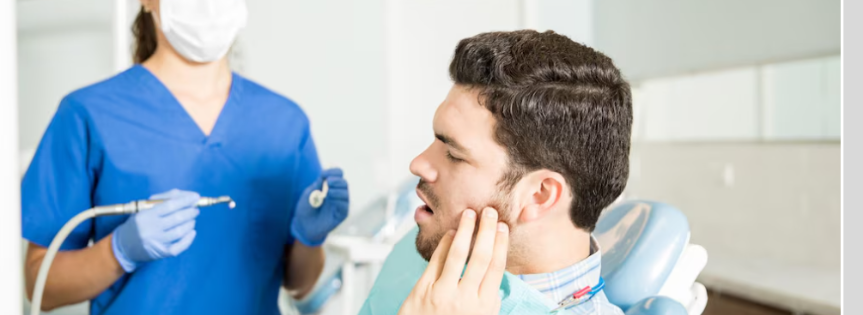
Severe toothache is one of the most frequently reported dental emergencies. A toothache that is persistent, throbbing, and not relieved by over-the-counter pain medication may indicate advanced tooth decay that has reached the inner pulp of the tooth, a dental abscess, a cracked tooth, or an exposed root surface. Toothache of this nature requires professional assessment to identify the underlying cause and provide appropriate treatment, which may include root canal therapy, extraction, or drainage of an abscess.
Dental Abscess
A dental abscess is a collection of pus caused by a bacterial infection inside the tooth, in the gum tissue, or in the bone surrounding the tooth. Abscesses are characterised by severe, throbbing pain that may radiate to the jaw, ear, or neck, swelling of the face or gum tissue, a raised swelling on the gum that resembles a pimple, fever, and a foul taste or smell in the mouth. Dental abscesses are serious infections that require urgent professional treatment. In severe cases, the infection can spread to the surrounding tissues and beyond, making prompt attention essential.
Knocked-Out Tooth
A knocked-out or avulsed tooth is one of the most time-sensitive dental emergencies. The chances of successfully reimplanting a knocked-out permanent tooth are significantly higher when the tooth is reinserted into the socket or stored correctly and the patient reaches a dental professional within thirty to sixty minutes of the injury. Immediate action is essential in this situation and every minute matters.
Cracked or Fractured Tooth
A cracked or fractured tooth may cause sharp pain when biting, sensitivity to hot and cold, or intermittent discomfort that is difficult to localise. Depending on the severity of the crack, treatment may range from bonding or a crown to root canal therapy or extraction if the crack extends into the root. Cracks that are left untreated typically worsen over time and can lead to the loss of a tooth that could otherwise have been saved with prompt intervention.
Lost or Broken Crown or Filling
When a crown or filling is lost or broken, the underlying tooth structure is left exposed and vulnerable to sensitivity, further decay, and fracture. While this situation is not always immediately painful, it should be addressed promptly to protect the tooth and prevent the condition from worsening. Temporary measures can be taken at home while awaiting an appointment, but professional repair or replacement should be arranged as quickly as possible.
Soft Tissue Injuries
Injuries to the soft tissues of the mouth including the gums, lips, cheeks, and tongue can result in significant bleeding, pain, and swelling. Lacerations caused by trauma, sharp food items, or broken dental appliances should be assessed by a dental professional, particularly if bleeding does not stop within a reasonable period of time or if the injury is extensive.
A qualified Dentist in Totteridge will assess your specific situation promptly and provide the most appropriate emergency care to relieve your pain, address the underlying problem, and protect your long-term dental health.
Step-by-Step: What to Do in a Dental Emergency
Knowing the correct steps to take during a dental emergency helps you stay calm, protect your oral health, and give yourself the best possible chance of a successful outcome while you wait to reach professional care.
Step 1: Stay Calm and Assess the Situation
The first step in any dental emergency is to stay as calm as possible and assess what has happened. Determine the nature of the problem, how severe the pain or damage is, and whether any immediate first aid measures are needed. If there is significant facial swelling extending to the eye or neck, difficulty breathing or swallowing, or uncontrolled heavy bleeding, call emergency services immediately as these situations require hospital-level care.
Step 2: Contact Your Dental Clinic Immediately
As soon as you have assessed the situation, contact your dental clinic without delay. Even outside of standard opening hours, many dental practices provide an emergency contact number for urgent situations. When you call, describe your symptoms clearly and honestly so that the team can assess the urgency of your situation and advise you appropriately.
Totteridge Dental Studio is one of the best dental clinics in Totteridge and prioritises urgent appointments for patients experiencing dental emergencies across Finchley N12 and North London. The studio is located at 59 Totteridge Ln, London N20 0HD, United Kingdom. Contact the team by calling +44 20 8445 5024 or emailing info@totteridgedental.co.uk.
Step 3: Take Appropriate Immediate Action
While waiting to be seen, there are several immediate steps you can take depending on the nature of your emergency.
For a knocked-out tooth, handle the tooth only by the crown and not the root. If the tooth is dirty, rinse it very gently with milk or clean water without scrubbing. Attempt to reinsert the tooth into the socket if possible, or store it in a container of milk or inside your cheek to keep it moist. Do not allow the tooth to dry out. Get to a dental professional as quickly as possible.
For a dental abscess, do not attempt to burst or squeeze the swelling. Rinse gently with warm salt water to help reduce bacteria in the mouth and take over-the-counter pain relief as directed on the packaging while you await your appointment. If swelling is spreading rapidly or you develop a fever and difficulty swallowing, seek emergency medical care immediately.
For a broken tooth or lost filling or crown, rinse the mouth gently with warm water and if possible cover the exposed area with a temporary dental cement available from pharmacies. Avoid eating on the affected side and contact your dental clinic promptly.
For soft tissue injuries with bleeding, apply gentle pressure to the area with a clean gauze or cloth. If bleeding does not stop within ten to fifteen minutes, seek emergency care.
Step 4: Manage Pain Appropriately
Over-the-counter pain relief medications such as ibuprofen or paracetamol can help manage dental pain in the short term while you await professional treatment. Always follow the dosage instructions on the packaging and do not exceed the recommended dose. Do not place aspirin directly against the gum tissue as this can cause a chemical burn. A cold compress applied to the outside of the face can help reduce swelling and provide some relief from pain in the case of trauma or abscess.
Step 5: Attend Your Emergency Appointment
Attend your emergency dental appointment promptly and bring any relevant information with you, including any broken tooth fragments, lost crowns or fillings, and details of any medications you are currently taking. Be prepared to describe your symptoms in detail, including when they began, how they have changed, and what makes the pain better or worse. This information helps your dental team reach the correct diagnosis and provide the most effective treatment as efficiently as possible.
Step 6: Follow Post-Emergency Treatment Instructions
After emergency treatment has been provided, follow all aftercare instructions given by your dental team carefully. This may include taking prescribed antibiotics, adhering to a soft diet for a period of time, avoiding certain activities, maintaining specific oral hygiene precautions around the treated area, and returning for a follow-up appointment to monitor healing and complete any further treatment that was deferred from the emergency appointment.
Dental Emergency vs Routine Dental Problem
Understanding the difference between a dental emergency and a routine dental problem that can wait for a scheduled appointment helps you make the right decision when something goes wrong with your teeth or gums.
A dental emergency typically involves severe and unmanageable pain, significant trauma, infection with systemic symptoms such as fever or swelling, or a situation where delay could result in the loss of a tooth or serious health consequences. These situations require same-day or very prompt professional attention.
A routine dental concern such as mild sensitivity, a minor chip with no pain, a slightly loose filling that is not causing discomfort, or a broken denture that does not affect eating significantly can generally wait for a scheduled appointment within the next few days. When in doubt about the urgency of your situation, always contact your dental clinic and let a professional advise you rather than attempting to make that judgment alone.
Common Patient Mistakes During Dental Emergencies
Being aware of the most frequent errors patients make during dental emergencies helps you avoid decisions that worsen your situation or compromise your treatment outcome.
Delaying contact with a dental professional in the hope that the problem will resolve on its own is one of the most damaging mistakes a patient can make. Dental infections do not resolve without treatment and will worsen with time. A knocked-out tooth that is not attended to within an hour has a dramatically reduced chance of successful reimplantation. Acting quickly is always the right approach in a dental emergency.
Taking excessive pain relief to mask symptoms rather than seeking professional care is a common response to dental pain that delays necessary treatment. While pain medication is appropriate for managing discomfort while awaiting an appointment, it should not be used as a long-term substitute for professional assessment and treatment of the underlying cause.
Attempting to self-treat dental infections with antibiotics obtained without a prescription or with home remedies is dangerous and ineffective. Antibiotics do not remove the source of a dental infection and the infection will return and potentially worsen if the underlying cause is not addressed professionally. Self-prescribing antibiotics also contributes to antibiotic resistance, which is a serious public health concern.
Not informing the dental team of all relevant medical information during an emergency appointment can affect the safety of your treatment. Always provide complete and accurate information about your medical history, current medications, allergies, and any relevant recent health changes, even in an urgent situation.
Storing a knocked-out tooth incorrectly significantly reduces the chance of successful reimplantation. A dry tooth cannot be reimplanted successfully. Always store the tooth in milk, saline solution, or inside the cheek and get to a dental professional as quickly as possible.
Prevention and Maintenance Tips to Reduce Dental Emergency Risk
While not all dental emergencies can be prevented, maintaining good oral health and taking sensible precautions significantly reduces the likelihood of many common urgent dental situations arising.
Attend regular dental check-up and hygiene appointments at the frequency recommended by your dental team. Routine examinations allow dental problems including decay, cracked teeth, and early signs of infection to be identified and treated before they progress to the point of becoming a painful emergency.
Wear a properly fitted mouthguard during all contact sports and activities where there is a risk of impact to the face or mouth. Dental trauma is one of the most preventable causes of dental emergencies, and a custom-fitted mouthguard from your dental clinic provides far superior protection to a generic over-the-counter alternative.
Avoid using your teeth to open packaging, bite nails, or chew on hard objects such as ice, pens, or hard sweets. These habits place excessive and unpredictable forces on the teeth and are a common cause of cracks, chips, and fractures that lead to emergency dental visits.
Address known dental problems promptly rather than allowing them to deteriorate. A tooth that your dental team has advised needs a crown, a filling, or root canal treatment will not improve on its own, and delaying recommended treatment frequently leads to the situation worsening to the point of pain, infection, or tooth loss.
Maintain a thorough daily oral hygiene routine including twice-daily brushing with a fluoride toothpaste and daily interdental cleaning. Good home oral hygiene is the foundation of dental health and the most reliable way to prevent the decay and gum disease that underlie many dental emergencies.
Frequently Asked Questions
- What should I do if my tooth is knocked out?
If a permanent tooth is knocked out, pick it up by the crown only and do not touch the root. If it is dirty, rinse it gently with milk or clean water without scrubbing. Try to reinsert it into the socket immediately if possible and bite down gently on a clean cloth to hold it in place. If reinsertion is not possible, store the tooth in a container of milk or inside your cheek to keep it moist and get to a dental professional within thirty to sixty minutes. The sooner you receive professional care, the greater the chance of saving the tooth.
- How do I know if I have a dental abscess?
A dental abscess typically presents with severe and persistent throbbing pain, swelling of the gum, face, or jaw, sensitivity to hot and cold, a raised tender swelling on the gum that may look like a pimple, fever, and sometimes a foul taste or smell in the mouth. If you suspect you have a dental abscess, contact your dental clinic immediately. If the swelling is extending to your eye or neck, or if you are having difficulty breathing or swallowing, go to your nearest accident and emergency department without delay as these are signs that the infection may be spreading.
- Can a dental emergency wait until the next day?
Some urgent dental situations can safely wait until the next morning if they occur late at night, provided the pain is manageable with over-the-counter pain relief and there are no signs of spreading infection such as significant facial swelling, fever, or difficulty breathing. However, a knocked-out tooth cannot wait, a rapidly spreading infection cannot wait, and uncontrolled bleeding cannot wait. When in doubt, contact your dental clinic’s emergency line for advice on the urgency of your specific situation.
- What can I take for dental pain before my emergency appointment?
Over-the-counter pain relief medications such as ibuprofen or paracetamol, taken as directed on the packaging, are the most appropriate options for managing dental pain while awaiting an emergency appointment. Ibuprofen has the added benefit of reducing inflammation as well as pain. A cold compress applied to the outside of the cheek can also help reduce swelling and discomfort. Do not place aspirin directly on the gum tissue as this can cause a chemical burn to the soft tissue.
- Will I need a tooth extraction in a dental emergency?
Not all dental emergencies result in tooth extraction. Many emergency situations including abscesses, cracked teeth, and severe decay can be treated with root canal therapy, drainage, bonding, or other restorative procedures that save the natural tooth. Extraction is only recommended when the tooth cannot be saved by any other means or when saving it would not be in the best long-term interest of the patient’s oral health. Your dental team will always discuss all available options with you and recommend the most conservative approach that effectively addresses your emergency.
Conclusion
A dental emergency in Finchley N12 demands prompt action, clear thinking, and immediate contact with a qualified dental professional who can provide the urgent care needed to relieve pain, address infection, and protect the long-term health of your teeth. Understanding how to respond correctly in the first critical minutes of a dental emergency, knowing which situations require same-day care, and maintaining good preventive dental habits to reduce the risk of emergencies arising in the first place are all essential components of responsible oral health management. Totteridge Dental Studio, located at 59 Totteridge Ln, London N20 0HD, United Kingdom, is committed to providing urgent and compassionate emergency dental care to patients across Finchley N12 and North London, with the expertise, responsiveness, and patient-centred approach that every dental emergency deserves.