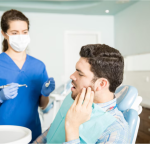
Airflow hygiene treatment in Finchley N12 is an advanced professional dental cleaning procedure that uses a controlled stream of pressurised air, warm water, and fine powder particles to remove plaque, staining, discolouration, and biofilm from the surfaces of the teeth, along the gumline, and in the spaces between the teeth. It is one of the most effective and comfortable hygiene treatments available in modern dentistry, delivering a level of cleaning that traditional scaling and polishing methods simply cannot match. If you are looking for a thorough, gentle, and highly efficient way to improve the cleanliness and appearance of your teeth, airflow hygiene treatment offers an exceptional solution.
For patients in and around Finchley N12, professional airflow treatment is available at the Dental Clinic in Totteridge, where a skilled and caring dental hygiene team uses the latest airflow technology to deliver outstanding cleaning results in a comfortable and patient-friendly environment.
What Is Airflow Hygiene Treatment
Airflow hygiene treatment is a minimally invasive professional cleaning technique that was developed to improve upon the limitations of conventional dental scaling and polishing. The treatment uses a specialised handpiece that simultaneously delivers a mixture of pressurised air, warm water, and a fine biocompatible powder directly onto the tooth surfaces and into the areas around and just below the gumline. The combined action of these three elements dislodges and removes the soft deposits, staining, and bacterial biofilm that accumulate on the teeth over time, leaving them thoroughly clean, smooth, and visibly brighter.
The powder used in modern airflow systems is typically made from erythritol, a naturally occurring sugar alcohol that is gentle on both the tooth enamel and the surrounding soft tissues. Unlike older polishing powders that were abrasive and could cause surface wear over time, contemporary airflow powders are specifically engineered to be effective at removing deposits without damaging the tooth structure. Patients exploring Dental Care in Totteridge will find that the hygiene team at Totteridge Dental Studio uses the most current airflow technology and powders to provide a cleaning experience that is thorough, comfortable, and kind to the teeth and gums.
Airflow treatment is particularly effective at removing the bacterial biofilm known as plaque from areas that are difficult to reach with a conventional scaler or polishing cup, including the spaces between the teeth, the deep grooves on the biting surfaces of the back teeth, around orthodontic brackets and wires, around dental implants, and just below the gumline in the shallow sulcus surrounding each tooth. Patients specifically looking for a Dental Hygienist in Finchley N12 London who offers airflow treatment will find that Totteridge Dental Studio provides this advanced service as part of a comprehensive approach to preventive dental care and long-term oral health maintenance.
Signs That You May Benefit from Airflow Hygiene Treatment
Airflow hygiene treatment is suitable for a wide range of patients, from those who simply want a more thorough and comfortable professional clean to those managing specific dental health concerns. You are likely to benefit from airflow treatment if you notice or experience any of the following:
- Visible staining on the teeth from coffee, tea, red wine, or tobacco that has not responded fully to regular brushing
- A build-up of plaque or tartar along the gumline or between the teeth despite consistent home oral hygiene
- Bleeding gums or persistent gum inflammation that suggests the presence of bacterial biofilm around the gumline
- Bad breath that does not resolve with brushing and mouthwash, which can be a sign of bacterial accumulation in difficult-to-reach areas
- Teeth that feel rough or coated even after brushing, indicating the presence of plaque or early calculus deposits
- Orthodontic appliances, such as braces or retainers, make thorough cleaning particularly challenging
- Dental implants that require specialised cleaning around the implant-gum interface to prevent peri-implant disease
- A desire for a more comfortable and less invasive professional cleaning experience than conventional scaling
A professional assessment from a qualified Dentist in Totteridge or a dental hygienist will confirm whether airflow treatment is the most appropriate hygiene option for your individual oral health needs and circumstances.
Step-by-Step: What to Expect During Airflow Hygiene Treatment
Understanding the full airflow treatment process from your arrival at the clinic through to the completion of your appointment helps you feel fully prepared and confident about what to expect at each stage.
Step 1: Initial Oral Health Assessment
Your airflow appointment begins with a thorough assessment of your oral health. Your dental hygienist will examine your teeth and gums, assess the extent and distribution of any plaque, staining, calculus, or biofilm present, and review your dental history and any specific concerns you have raised. This assessment informs the treatment approach and ensures that the airflow procedure is tailored to the specific needs of your mouth at this appointment.
Totteridge Dental Studio is one of the best dental clinics in Totteridge and provides airflow hygiene treatment to patients from Finchley N12 and across North London as part of a comprehensive preventive dental care programme. The studio is located at 59 Totteridge Ln, London N20 0HD, United Kingdom. You can book your airflow appointment by calling +44 20 8445 5024 or by emailing info@totteridgedental.co.uk.
Step 2: Disclosing and Identifying Biofilm
In many cases, a disclosing agent may be applied to the teeth at this stage to reveal the presence of bacterial biofilm that is invisible to the naked eye. The disclosing agent stains areas of plaque and biofilm so that both the hygienist and the patient can clearly see exactly where bacterial deposits are present. This helps to focus the airflow treatment on the areas where it will have the greatest benefit and provides a valuable educational opportunity for the patient to understand their own oral hygiene patterns.
Step 3: Application of Protective Measures
Before the airflow treatment begins, a small amount of protective barrier gel or petroleum jelly may be applied to the lips to prevent any drying or minor irritation from the fine powder particles during treatment. Eye protection will also typically be provided as a precautionary measure. These simple preparations ensure the treatment is as comfortable and safe as possible from start to finish.
Step 4: Supragingival Airflow Cleaning
The hygienist will begin by using the airflow handpiece to clean the visible surfaces of the teeth above the gumline, a process known as supragingival cleaning. The handpiece is held at a precise angle to direct the stream of air, water, and powder across the tooth surfaces and into the interdental spaces, efficiently removing staining, plaque, and soft deposits. Most patients find this stage of the treatment comfortable and far gentler than conventional scaling, with a sensation that is often described as a mild tinkling or fine spray against the teeth.
Step 5: Subgingival Airflow Cleaning
Following the supragingival cleaning, the hygienist will use a specialised perioflow tip, which is a very fine nozzle attachment, to deliver the airflow powder just below the gumline into the periodontal sulcus surrounding each tooth. This subgingival cleaning stage is particularly important for removing the bacterial biofilm that accumulates in the shallow pocket between the tooth and the gum, which is the primary site of gum disease initiation and progression. The erythritol powder used for subgingival cleaning is specifically selected for its biocompatibility with the delicate soft tissues in this area.
Step 6: Ultrasonic Scaling if Required
If any hardened calculus deposits are detected that cannot be removed by airflow alone, the hygienist will use an ultrasonic scaler to carefully remove these before completing the cleaning process. Ultrasonic scaling uses high-frequency vibrations to break down and dislodge calcified tartar without the need for significant manual force, making it a comfortable and efficient complement to the airflow treatment.
Step 7: Final Polish and Fluoride Application
Once all plaque, biofilm, staining, and calculus have been removed, the teeth are given a final polish to leave the surfaces smooth and resistant to future plaque adhesion. A fluoride varnish or gel is then applied to the teeth to strengthen the enamel, reduce sensitivity, and provide ongoing protection against decay in the period following the appointment. Your hygienist will also review your home oral hygiene technique and provide personalised advice on maintaining the results of your treatment.
Airflow Treatment vs Traditional Dental Cleaning
Understanding how airflow hygiene treatment compares to conventional dental cleaning methods helps patients make an informed choice about which approach is most appropriate for their needs.
Airflow vs Conventional Scaling and Polishing
Traditional dental cleaning typically involves the manual or ultrasonic removal of calculus deposits followed by polishing with a rotating rubber cup and a gritty polishing paste. While this approach is effective at removing hardened tartar, it is less efficient at reaching into interdental spaces, along the gumline, and into the shallow pockets around the teeth where bacterial biofilm accumulates. Conventional polishing can also be abrasive to the tooth enamel surface over time if performed frequently with coarse pastes.
Airflow treatment reaches all of these difficult areas with ease, removes biofilm far more thoroughly than traditional polishing, and uses powders that are significantly less abrasive to the enamel. Most patients also find airflow treatment considerably more comfortable than conventional scaling, particularly those with sensitive teeth or gum tissue.
Airflow vs Air Polishing Alone
Basic air polishing, which has been available in dental practices for many years, uses a similar principle to airflow but typically relies on older sodium bicarbonate powder that is coarser, more abrasive, and not suitable for subgingival use. Modern guided biofilm therapy using the latest airflow systems with erythritol powder represents a significant advancement on basic air polishing, offering improved gentleness, greater effectiveness, and the ability to clean safely below the gumline in a way that older air polishing systems could not.
How Often Should You Have Airflow Hygiene Treatment
The recommended frequency of airflow hygiene treatment varies depending on each patient’s individual oral health status, risk factors, and personal goals.
For most patients with good general oral health who attend for routine preventive care, airflow treatment every six months as part of a regular hygiene appointment is sufficient to maintain excellent gum health and a clean, bright smile. Patients with a history of gum disease, those wearing orthodontic appliances, implant patients, or those who are particularly prone to staining may benefit from more frequent appointments, typically every three to four months.
Your dental hygienist will recommend a maintenance schedule tailored to your specific needs during your appointment and will review and adjust this recommendation at each visit based on the current condition of your teeth and gums.
Common Patient Mistakes to Avoid
Being aware of the most frequent errors patients make in relation to dental hygiene treatment helps you protect the results of your airflow appointment and support your long-term oral health.
Neglecting home oral hygiene between professional appointments is the most common and impactful mistake. Professional airflow treatment provides an exceptional level of cleaning, but the bacterial biofilm that causes gum disease begins to reform on the tooth surfaces within hours of treatment. Consistent and thorough daily brushing and interdental cleaning are essential to slow this process and maintain the benefits of your professional clean.
Waiting until symptoms appear before booking a hygiene appointment leads to more significant gum disease and staining accumulation than is necessary. Regular preventive hygiene appointments are far more effective when attended consistently before problems become established, rather than reactively after symptoms such as bleeding gums or visible tartar build-up have developed.
Assuming that professional cleaning replaces daily brushing and flossing is a misunderstanding that some patients hold. Professional airflow treatment is a complement to good home oral hygiene, not a substitute for it. The two work together to maintain optimal oral health, and neither alone is sufficient without the other.
Not mentioning sensitivity or discomfort during treatment prevents your hygienist from adjusting their technique to keep you comfortable. Airflow treatment is designed to be gentle, but individual responses vary. If at any point during your appointment you experience discomfort, alerting your hygienist immediately allows them to modify the pressure, temperature, or technique to address this.
Skipping the post-treatment fluoride application by eating or drinking immediately after your appointment reduces the effectiveness of the fluoride protection applied at the end of the session. Your hygienist will advise you to avoid eating, drinking, and rinsing for a short period after the fluoride is applied in order to allow it to absorb fully into the enamel.
Prevention and Maintenance Tips After Airflow Treatment
Supporting the results of your airflow hygiene appointment and protecting your long-term oral health requires consistent effort in your daily routine between professional visits.
Brush your teeth for a minimum of two minutes twice daily using a soft-bristled toothbrush and a fluoride toothpaste. Pay particular attention to the gumline and the backs of the teeth, which are areas where plaque accumulates most readily and where airflow treatment delivers some of its greatest benefits. An electric toothbrush is generally more effective than a manual one at removing plaque from all surfaces of the teeth and is a worthwhile investment for patients committed to maintaining excellent oral hygiene.
Use interdental brushes or floss once daily to clean the spaces between the teeth. Interdental cleaning removes the plaque and food debris that accumulate between the teeth and that a toothbrush cannot reach, and it is one of the most important factors in preventing gum disease and the interdental staining and calculus that airflow treatment addresses.
Reduce your consumption of heavily staining foods and beverages such as coffee, tea, red wine, and curries where possible, and rinse your mouth with water after consuming them to dilute their staining effect on the tooth surfaces. If you smoke, discussing smoking cessation with your dental team is the single most beneficial step you can take for both your oral health and your general health.
Attend your recommended hygiene appointments at the frequency advised by your dental hygienist without delay. Consistency in professional care is the foundation of long-term gum health and the most reliable way to prevent the accumulation of calculus and staining from reaching the point where more intensive treatment is required.
Frequently Asked Questions
- Is airflow hygiene treatment suitable for sensitive teeth?
Yes. One of the significant advantages of modern airflow hygiene treatment over conventional scaling and polishing is that it is considerably gentler on sensitive teeth and gums. The warm water used in the airflow system minimises the thermal sensitivity that cold water from traditional scalers can provoke, and the fine erythritol powder is far less abrasive than conventional polishing pastes. Patients with sensitivity should mention this to their hygienist before the appointment so that appropriate precautions and adjustments can be made.
- Will airflow treatment whiten my teeth?
Airflow treatment will remove surface staining caused by food, drinks, and tobacco, which can result in the teeth appearing noticeably brighter and cleaner after the appointment. However, airflow treatment does not bleach or chemically alter the natural colour of the tooth enamel in the way that professional teeth whitening does. If you are looking for a significant change in the base shade of your teeth rather than simply the removal of surface staining, your dental team can discuss professional whitening options that would be appropriate for your situation.
- How long does an airflow hygiene appointment take?
A standard airflow hygiene appointment typically takes between forty-five minutes and one hour, depending on the extent of the staining and biofilm present and whether any ultrasonic scaling is also required. Patients with more significant build-up or those attending for the first time after a gap in regular dental care may require a longer appointment. Your dental team will give you an accurate estimate of the expected appointment duration when you book.
- Is airflow treatment safe around dental implants?
Yes. Airflow hygiene treatment is actually one of the most recommended cleaning methods for patients with dental implants. The titanium surfaces of implants and the soft tissue surrounding them require very careful and non-abrasive cleaning to prevent peri-implant disease, and the gentle erythritol powder used in modern airflow systems is biocompatible and safe for use around implant surfaces. Conventional metal scalers should not be used on implant surfaces as they can scratch the titanium, making airflow treatment particularly beneficial for implant patients.
- Can children have airflow hygiene treatment?
Airflow hygiene treatment can be appropriate for older children and teenagers, particularly those with orthodontic appliances or those who are prone to staining and plaque accumulation. The suitability of the treatment for younger patients will be assessed on an individual basis by the dental hygienist, taking into account the child’s age, dental development, and specific oral health needs. For younger children, conventional age-appropriate hygiene instruction and cleaning techniques are typically more suitable, with airflow introduced as the patient matures.
Conclusion
Airflow hygiene treatment in Finchley N12 represents one of the most advanced, comfortable, and effective professional cleaning options available in modern dental hygiene care, delivering a level of thoroughness that goes well beyond what conventional cleaning methods can achieve. With regular airflow appointments supported by a consistent and committed daily oral hygiene routine, patients can maintain exceptional gum health, a clean and bright smile, and a significantly reduced risk of the dental problems that inadequate plaque removal leads to over time. Totteridge Dental Studio, located at 59 Totteridge Ln, London N20 0HD, United Kingdom, provides expert airflow hygiene treatment to patients across Finchley N12 and North London with the clinical skill, advanced technology, and genuine patient focus that every smile deserves.